
Dacă ești curios în legătură cu domainingul sau investițiile în domenii, probabil te întrebi ce este cu adevărat necesar pentru a avea succes.
Deși oricine poate înregistra un domeniu, transformarea acestuia în ceva profitabil necesită înțelegerea modului în care funcționează piața și unde se află oportunitățile. Acest ghid te va ajuta să înțelegi strategiile-cheie pentru a deveni domainer, inclusiv cum să-ți construiești portofoliul, cum să alegi domeniile potrivite și cum să eviți capcanele comune în care cad noii investitori.
Ce este domainingul?
Domainingul este practica de a cumpăra și vinde nume de domenii pentru profit. În esență, investiția în nume de domenii înseamnă identificarea unor adrese web care ar putea crește în valoare în timp — fie pentru că includ cuvinte-cheie foarte căutate, sunt ușor de transformat în brand, sunt scurte și memorabile sau valorifică tendințe emergente.
Un investitor în domenii (numit și domainer) cercetează și achiziționează aceste nume prin diverse metode. Un domainer poate cumpăra domenii la licitații de domenii expirate, din listări pe marketplace-uri sau prin contact direct. După ce și-au construit un portofoliu, domainers fie listează domeniile pentru vânzare, fie le păstrează până apare cumpărătorul potrivit, cum ar fi o afacere, un antreprenor sau un alt investitor.
Construirea inventarului tău
Dacă vrei să vinzi domenii, mai întâi trebuie să începi să aduni nume care ar putea avea valoare — și nu orice domenii sunt potrivite. Investitorii de succes în domenii se concentrează pe calitate, relevanță și potențial pe termen lung atunci când își construiesc portofoliile. Fie că începi cu doar câteva nume sau plănuiești să te extinzi în timp, modul în care achiziționezi domenii poate face o mare diferență în rezultate.
Pentru a-și găsi investițiile, domainers folosesc de obicei câteva canale-cheie, fiecare cu avantaje și dezavantaje. Înțelegând cum funcționează aceste metode de achiziție și cum să le folosești cu înțelepciune, vei pune o bază mai solidă pentru succesul pe termen lung.
1. Domenii expirate
În fiecare zi, mii de nume de domenii expiră atunci când proprietarii lor uită sau aleg să nu le reînnoiască. Aceste nume devin apoi disponibile pentru cumpărare, oferind adesea un potențial valoros de branding sau SEO la un cost relativ redus.
Poți începe cuExpiredDomains.net, un site web care listează domeniile pe măsură ce expiră. De asemenea, poți verifica servicii de dropcatching precumDropCatch sauNameJet, care monitorizează domeniile ce expiră și încearcă să le înregistreze în clipa în care devin disponibile. Poți plasa backorder-uri pentru domeniile pe care le dorești, iar dacă nimeni altcineva nu este interesat, ai putea obține numele doar la costul înregistrării. Totuși, numele populare ajung adesea la licitație, unde mai mulți ofertanți ridică prețul.
Cheia succesului aici este să înveți cum să identifici valoarea numelor înainte ca acestea să expire — domeniile scurte, memorabile și bogate în cuvinte-cheie tind să atragă cea mai mare concurență, în timp ce numele specifice unor nișe pot trece neobservate.
2. Achiziții directe
Dacă există un domeniu anume pe care îl dorești și care nu este listat la vânzare, poți încerca să-l cumperi direct de la proprietarul actual. Această metodă necesită mai mult timp și perseverență, dar oferă adesea oportunități unice, mai ales dacă proprietarul nu promovează activ numele.
Poți începe folosind instrumente de căutare a domeniilor precum WHOIS sau platforme precumDomainTools pentru a identifica proprietarul (deși protecțiile de confidențialitate pot limita ceea ce poți vedea). Dacă informațiile de contact sunt disponibile, o întrebare politicoasă care exprimă un interes real poate conta foarte mult. Avantajul achizițiilor directe este că negociezi adesea într-un mediu mai puțin competitiv, ceea ce poate duce la prețuri mai mici decât ai plăti la o licitație publică. Doar fii pregătit pentru proprietari care poate nu vor să vândă — sau care au așteptări nerealiste cu privire la valoarea domeniului.
3. Marketplace-uri

Marketplace-urile online de domenii, precumSedo șiAfternic, găzduiesc milioane de domenii de vânzare din orice categorie imaginabilă. Aceste platforme sunt ușor de utilizat și îți permit să cauți după cuvânt-cheie, nișă, extensie de domeniu (TLD) și interval de preț. Mulți vânzători oferă domenii cu opțiunea „fă o ofertă”, în timp ce alții au prețuri fixe pentru achiziție instantanee.
Marketplace-urile sunt un loc excelent pentru a cumpăra și, de asemenea, o parte esențială a viitoarei tale strategii de vânzare — acolo îți vei lista în cele din urmă propriile domenii pentru expunere către cumpărători globali. Ține cont, totuși, că prețurile pot varia foarte mult și nu fiecare listare reprezintă o ofertă bună. Acordă-ți timp pentru a cerceta vânzările anterioare și folosește instrumente de evaluare a domeniilor (cu o doză de scepticism) pentru a estima valoarea.
4. Înregistrare manuală
Înregistrarea manuală înseamnă să vii cu o idee de nume de domeniu și să verifici dacă este încă disponibil pentru înregistrare. Este cea mai accesibilă și convenabilă modalitate de a începe să-ți construiești portofoliul — în multe cazuri poți înregistra un nume cu mai puțin de 10 $. Totuși, aici mulți începători greșesc. Pentru că este atât de ușor, este tentant să iei zeci de domenii bazându-te pe instinct sau pe idei vagi, doar ca să descoperi că nu au nicio valoare de revânzare.
Ce să cauți într-un nume de domeniu
Investițiile de succes în domenii încep cu alegerea numelor potrivite. Deși oricine poate înregistra un domeniu, cele care au valoare reală tind să urmeze tipare clare. Cumpărătorii caută nume care sunt scurte, ușor de scris, bazate pe limbaj familiar și aliniate cu o anumită industrie sau nevoie.
Caută domenii care oferă:
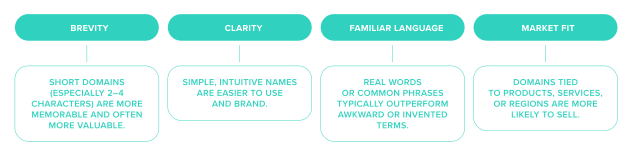
Aceste calități generează în mod constant interesul cumpărătorilor. Unele dintre cele mai populare tipuri de domenii printre investitori includ:
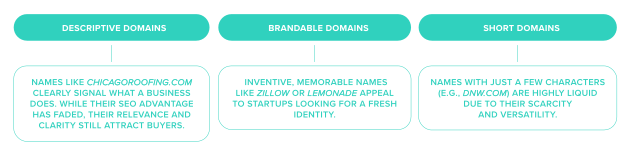
Pe măsură ce îți dezvolți portofoliul, urmărește tendințele emergente și stilurile de denumire care arată o cerere constantă din partea cumpărătorilor.
Nișe de luat în considerare când ești la început
Unii domainers merg pe lățime; alții merg în profunzime. Pe măsură ce capeți experiență, s-ar putea să ți se pară util să te concentrezi pe o nișă specifică — una care se aliniază cu interesele, cunoștințele sau instinctele tale. Specializarea te poate ajuta să identifici mai repede nume valoroase, să construiești un portofoliu mai coerent și să te remarci pe o piață aglomerată. Iată câteva nișe pe care merită să le explorezi:
Domenii geo – nume bazate pe oraș sau regiune (de ex., AustinDentists.com).
Specifice industriei – domenii legate de sectoare cu creștere rapidă, precum healthtech sau AI.
Brandable – nume creative, pregătite pentru startup-uri.
Crypto/Web3 – încă volatil, dar uneori cu recompense mari.
Concentrarea pe o nișă te poate ajuta să devii mai bun la identificarea valorii și la construirea unei reputații în acel colț al pieței.
Cum să-ți listezi și să-ți vinzi primele domenii
După ce ți-ai construit inventarul, următorul pas este să-ți aduci domeniile în fața potențialilor cumpărători. Deși unele nume pot atrage atenția de la sine, majoritatea vânzărilor au loc pentru că domainers fac pași activi pentru a-și lista, promova și prezenta activele. Există trei abordări principale pe care le poți folosi — iar mulți domainers folosesc o combinație pentru a maximiza expunerea:
Listează pe marketplace-uri – Aceasta este cea mai pasivă și populară metodă. Marketplace-uri precumSedo,Afternic șiSellerHub de la Spaceship îți permit să stabilești prețuri fixe sau să accepți oferte. Listările sunt adesea distribuite prin registratori și instrumente de căutare a domeniilor, crescând vizibilitatea și șansele unei vânzări.
Contactează potențiali cumpărători – Această abordare necesită mai mult efort, dar poate duce la rezultate excelente. Dacă deții un domeniu care se potrivește unei anumite nișe, industrii sau tip de afacere, identifică potențialii utilizatori finali și contactează-i direct. Personalizarea mesajului tău poate face o mare diferență.
Folosește o pagină de destinație „de vânzare” – Când cineva introduce domeniul tău și ajunge direct pe el, ar trebui să știe că este disponibil. Crearea unei pagini de destinație profesionale cu un formular de contact sau un buton de cumpărare imediată este relativ ușoară, iar marketplace-urile de top, precum SellerHub, oferă automat o pagină de destinație.
Fiecare dintre aceste metode își are locul său, iar strategia ta s-ar putea schimba în funcție de tipul de domeniu pe care îl vinzi. Pentru o privire mai aprofundată asupra strategiilor de vânzare și a celor mai bune practici, consultăCum să-ți evaluezi și să-ți vinzi domeniul.
Greșeli de începător la care să fii atent

Să începi în domaining este captivant — există adrenalina descoperirii unui nume grozav, satisfacția primei tale vânzări și atracția construirii unui portofoliu digital cu valoare reală.
Dar, ca orice strategie de investiții, domainingul vine cu o curbă de învățare. Mulți investitori noi în domenii încep cu entuziasm, dar se lovesc pe parcurs de capcane care pot fi evitate. Fie că este vorba despre prea multe înregistrări, evaluarea greșită a valorii sau urmărirea tendințelor fără cercetare, aceste greșeli timpurii pot fi costisitoare și descurajante.
Iată câteva dintre cele mai frecvente greșeli pe care le fac începătorii — și cum să le eviți.
Cumpărarea de domenii pe care le consideri cool
Înregistrarea prea multor nume fără a cerceta cererea de pe piață
Să uiți să reînnoiești nume bune și să le pierzi
Să presupui că un domeniu se va vinde rapid (majoritatea nu se vând)
Să nuverifici istoricul unui domeniu înainte de achiziție
Să plătești prea mult în licitații competitive fără un plan clar de ieșire
Cele mai multe dintre aceste piedici sunt ușor de evitat odată ce știi la ce să fii atent. Să fii precaut și strategic de la început îți poate economisi timp și bani mai târziu.
De ce acum este un moment excelent să încerci investițiile în domenii
Acesta este un moment excelent pentru a încerca domainingul. Deși practica există de zeci de ani, peisajul de astăzi este plin de oportunități noi pentru începători creativi și strategici. Tot mai mulți antreprenori lansează afaceri online, industrii noi precum AI și Web 3.0 alimentează cererea pentru proprietăți digitale, iar investitorii experimentați își lichidează portofoliile — toate acestea creează oportunități pentru cei care abia încep.
Fie că doar testezi terenul sau plănuiești să aprofundezi, investițiile în domenii sunt mai accesibile ca niciodată. Să începi la scară mică nu este doar în regulă — este inteligent. Cu puțină curiozitate, ceva cercetare de bază și dorința de a învăța, vei fi pe drumul cel bun.
Întrebări adresate frecvent
Investiția în domenii — cunoscută și sub numele de domaining — este practica de a cumpăra nume de domenii cu intenția de a le vinde ulterior pentru profit. Investitorii se concentrează pe nume care pot deveni branduri, sunt descriptive, scurte sau legate de industrii și subiecte în tendințe. Unele domenii sunt revândute rapid, în timp ce altele sunt păstrate într-un portofoliu până când apare cumpărătorul potrivit.
Investitorii în domenii achiziționează nume prin mai multe canale, inclusiv liste de domenii expirate, contact direct cu proprietarii actuali, piețe online și înregistrarea manuală a numelor disponibile. Fiecare metodă are avantajele și dezavantajele sale, dar investitorii de succes învață cum să identifice domenii cu valoare și cerere reale în lumea reală.
Cele mai valoroase domenii sunt, de obicei, scurte, ușor de scris și aliniate cu o anumită piață sau nevoie de afaceri. Cuvintele reale, expresiile comune și numele care pot deveni branduri tind să aibă performanțe bune — mai ales dacă sunt relevante pentru industrii emergente sau regiuni geografice.
Da — mulți investitori în domenii obțin venituri din vânzarea domeniilor, iar unii chiar transformă asta într-o afacere cu normă întreagă. Totuși, este nevoie de timp, strategie și răbdare. Cele mai multe nume nu se vând imediat, iar unele nu se vor vinde niciodată. Cheia este să construiești un portofoliu inteligent și bine direcționat și să fii pregătit când cumpărătorul potrivit își arată interesul.
Un domeniu vechi este pur și simplu vechi. Un domeniu expirat este unul care nu a fost reînnoit și este acum din nou pe piață. Unele domenii expirate sunt vechi, dar nu toate domeniile vechi sunt expirate.

Articole sugerate




Împărtășiți-vă gândurile