
Even experienced domainers know that domain pricing isn’t a set-it-and-forget-it game. Whether you're fielding inbound offers, planning outbound pitches, or taking stock of your portfolio, it pays to keep a sharp eye on what your domains are really worth.
While multimillion-dollar sales grab headlines, the majority of transactions close at more modest prices, often driven by timing, buyer intent, and your positioning. In this guide, we’ll break down how to evaluate domain value using data-backed tools, industry context, and your own priorities, so you’re ready to price your domains confidently when opportunity knocks.
Qualifying inbound offers and maximising leverage
Not every enquiry deserves a response, but some may signal serious opportunities. When a potential buyer reaches out, your next steps should be guided by strategy, not routine.
Start by identifying the buyer. Are they an end user with a real need for the domain? A startup founder? A fellow investor fishing for a deal? Use tools like LinkedIn, WHOIS history, reverse-IP lookups, or even just their email domain to get a read on their intent and budget.
Once you have some context on the buyer, decide how you want to proceed. If the domain isn’t listed publicly, it’s reasonable to ask them to make the first offer, especially if they approached you. If the domain is listed or you already have a price in mind, you might choose to name your number upfront and set the terms of the conversation.
If the domain isn’t actively listed, it’s perfectly reasonable to request an opening offer, especially if you sense strong motivation. But if you're ready to sell or the domain has public pricing, providing a well-reasoned asking price can frame the negotiation in your favour.
Regardless of your approach, stay professional and responsive. Serious buyers value quick, clear communication, and that alone can help close the gap between interest and sale.
Using valuation tools to sharpen your pricing strategy
Automated appraisals won’t tell you exactly what a domain will sell for, but the right tools can help you gauge market signals, spot patterns, and support your pricing decisions with data.
Here are three commonly used tools and what they’re most useful for:
1. Estibot
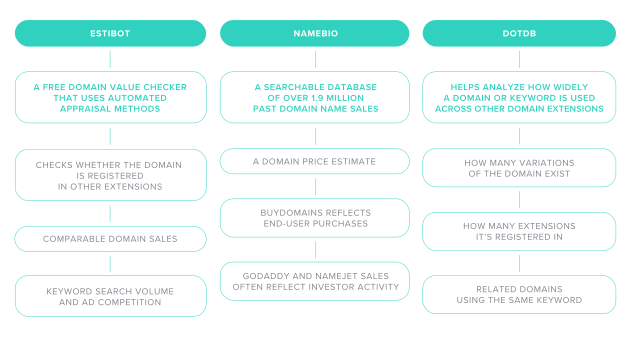
Estibot is a free domain value checker that uses automated appraisal methods. While automated estimates are just a starting point, Estibot provides additional context that’s useful:
Whether the domain is registered in other extensions (like .net or .org)
Comparable domain sales
Keyword search volume and ad competition
If a domain is taken in multiple extensions, it’s a good sign that it’s in demand.
2. NameBio
NameBio is a searchable database of over 1.9 million past domain name sales. You can search by keyword, extension, sale price, category, and more. It's an excellent way to get a domain price estimate based on what similar domains have sold for.
It also shows where domains are sold, which can provide extra context. For example:
GoDaddy and NameJet sales often reflect investor activity
BuyDomains reflects end-user purchases (like businesses buying a domain to use)
3. dotDB
dotDB helps analyse how widely a domain or keyword is used across other domain extensions. Just type in a keyword or domain, and dotDB will show:
How many variations of the domain exist
How many extensions it’s registered in
Related domains using the same keyword
For example, if “intelligence” is registered in 184 extensions and appears in hundreds of other domains, that suggests high demand and a potentially valuable domain.
Set a price that works for you
Valuation tools and market comps are helpful, but they don’t tell the whole story. The right price also depends on your own plans and priorities.
Are you actively trying to sell the domain, or just responding to interest? Do you have future use in mind — for a project, a brand, or resale — or is it a domain you’re ready to let go?
Figure out the lowest number you’d be comfortable accepting, then build in room to negotiate. That way, you protect your downside while staying open to a deal.
Even if the market suggests a certain value, your pricing should reflect more than just data — it should reflect what the domain is worth to you.
Close the deal securely and with confidence
Once you’ve settled on a price, make sure the transfer process is smooth, secure, and well-documented — especially if you’re dealing directly with a buyer.
For most peer-to-peer deals, a trusted escrow service likeEscrow.com remains the standard. It protects both sides by holding funds until the domain transfer is complete. For higher-value deals or international buyers, consider adding a written agreement outlining responsibilities, timing, and dispute resolution. And before initiating the transfer, double-check WHOIS accuracy, lock status, and whether the domain is subject to any registrar-specific hold periods.
A little due diligence at this stage can save a lot of trouble later — and help ensure the deal closes cleanly for both parties.
Keep your portfolio working for you
A domain sitting idle doesn’t have to stay that way. If you’re holding names you’re no longer actively developing or targeting for outbound, it might be time to revisit your listings.
Staying visible — whether through marketplaces, your own landing pages, or platforms like SellerHub — increases your chances of catching the right buyer at the right moment. Even mid-tier names can move if they’re well-positioned and priced strategically.
A steady, well-managed sales pipeline can be just as rewarding as the occasional big win — and a lot more sustainable.
If you’re considering listing more of your portfolio, this guide to selling your domain names offers a practical step-by-step refresher.
Frequently asked questions
The value of your domain depends on factors like keyword popularity, domain length, market demand, and comparable past sales. Tools like Estibot, NameBio, and dotDB can help you estimate your domain’s worth.
Your domain name value is what someone is willing to pay for it. While automated tools provide a domain price estimate, you should also consider your personal bottom line and how much demand exists for similar domains
You can check the domain value using online domain valuation tools. Estibot, NameBio, and dotDB all provide valuable data points, including past sales, keyword analytics, and extension saturation.
A domain value checker is a tool that estimates the market value of a domain name. It analyses factors like search trends, extension registrations, and past domain sales to give you a ballpark figure of your domain’s value.

Suggested articles




Share your thoughts