
Имейлите за напускане не са сложни, но имат значение. Напишете ги правилно и ще си тръгнете с добро впечатление. Напишете ги погрешно и може да изгорите мост, без да сте искали. Ето как да напишете такъв, който върши работа.
Какво е имейл за напускане и кога трябва да го изпратите?
Може би са ви предложили по-добра работа или имате нужда от почивка. Но каквато и да е причината, имейлът за напускане официално потвърждава, че си тръгвате, за да може компанията ви да започне да се подготвя за отсъствието ви.
Преди няколко десетилетия щяхте да връчите писмото си за напускане на дамата от HR, докато търпите неловкостта да прекарате целия ден на работа, знаейки, че си тръгвате. След COVID-19 времената се промениха и днес имейлът за напускане върши работа. Разбира се, ако работите от офис, все още можете да подадете писмото си за напускане лично.
Ето най-подходящите ситуации, в които да изпратите такъв:
Спешно или незабавно напускане –Ако трябва да напуснете незабавно поради непредвидено обстоятелство или извънредна ситуация. Това гарантира, че компанията ви ще получи бързо вашето напускане.
Дистанционна работа или отсъствие от офиса –Ако работите от вкъщи, имейлът за напускане ще бъде най-добрият ви избор, особено ако офисът ви е на другия край на света.
Политика на компанията или водене на документация –Понякога, дори ако сте подали лично, компанията ви може да поиска имейл за напускане, за да има електронно копие.
Какво трябва да включите в професионален имейл за напускане?
Напускането на работа никога не е приятно, но това не означава, че не може да мине гладко. В идеалния случай искате процесът да бъде възможно най-бърз и подреден. Това означава, че писмото ви за напускане като служител трябва да следва няколко изпитани правила.
Правилно формулиране на темата
Ясната тема помага имейлът ви да бъде забелязан, но също така означава, че лесно ще бъде намерен и в бъдеще. Тя трябва изрично да споменава вашето напускане. Опитайте се да избягвате всичко неясно и още от самото начало да стане ясно, че този имейл съдържа вашето предизвестие за напускане
Задаване на тона от самото начало
Ако това ще е последното ви действие като служител, най-добре е да го запазите професионално. Началният ред трябва да зададе тона за останалата част от имейла. Започнете с професионален поздрав и още в първото изречение посочете, че напускате компанията, добавете длъжността си и включете датата на последния си работен ден.
Тръгнете си с правилния тон
Изразяването на признателност е свързано с това да си тръгнете в добри отношения. Добавете едно-две изречения, с които благодарите на работодателя си за възможността да работите с него. Дори ако нямате търпение да излезете през вратата, благодарността за възможността е добър имейл етикет, който те със сигурност ще оценят.
Напуснете без недовършени неща
Може да кажете, че сте готови да помогнете с обучението на нов служител или да довършите важен проект, преди да си тръгнете. Уверете се, че оставате в рамките на възможностите си — не искате да обещаете повече, отколкото можете да изпълните, но това ще покаже професионализъм и добронамереност.
Преди да натиснете „Изпрати“
Започнете с подходящ финален поздрав и, ако още не сте го направили, включете личните си данни за контакт под името си. Така работодателят ви може да се свърже с вас за последващи въпроси или да ви изпрати официални документи по-късно. Освен това, преди да се развълнувате и да натиснете бутона за изпращане, е важно да прегледате имейла си за грешки.
В крайна сметка искате да излезете през вратата по възможно най-гладкия начин. Следвайте шаблона по-горе и почти ще преминете през това без усилие. Ето напомняне за тези стъпки.
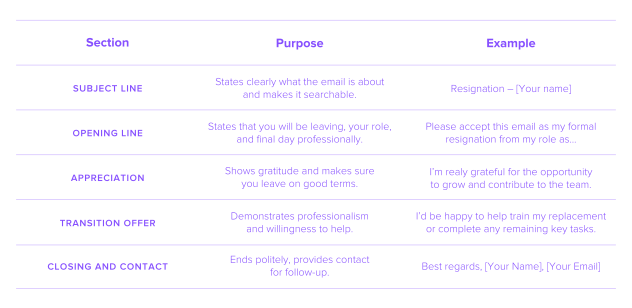
Как да напишете имейл за напускане стъпка по стъпка
Времето е от значение – Има подходящо време за изпращане на имейли и неподходящо време. Първо говорете с мениджъра си, лично или чрез видеоразговор, а след това изпратете имейла. Избягвайте уикендите или късното вечерно изпращане. Стремете се към късен следобед в средата на седмицата, когато е по-малко вероятно да нарушите работния процес.
Напишете правилно темата – Нека е кратка и ясна. Например „Напускане – [вашето име]“. Така мениджърът ви ще знае точно какво отваря.
Изясняване на датата– Започнете с ключовата информация и бъдете ясни. Пример: „Пиша, за да подам официално оставка от длъжността си [Job Title] в [Company Name]. Последният ми работен ден ще бъде [Date].“ Проверете отново срока на предизвестието си и се уверете, че крайната ви дата го отразява.
Завършете с положителен тон – Дори ако работата не е била идеална, тръгнете си с добро впечатление. Пример:
„Благодаря за възможността и подкрепата през последните [X] години. Оцених шанса да се развивам и да работя със страхотен екип.“
Последното предложение – Кратко, искрено предложение може да има голям ефект. Пример: „С удоволствие ще помогна със задачите по предаването на работата или с всичко, което ще улесни прехода през последните ми седмици.“ Обещавайте само това, което реалистично можете да направите.
Примери за имейли за напускане, които работят
Писането на професионални имейли е въпрос на практика. Щом започнете да придобивате увереност, думите ще потекат. Но в началото може да е полезно да имате няколко готови примера, които да използвате при нужда. Ето няколко професионални примера за имейли за напускане, с които да започнете.
Стандартен шаблон за имейл за напускане
Тема: Напускане – [Your name]
Уважаеми/а [manager’s name],
Моля, приемете този имейл като официално уведомление за напускането ми от позицията [your job title]. Последният ми работен ден ще бъде [e.g., August 30, 2025].
Бих искал/а да благодаря за възможностите и подкрепата, които получих по време на работата си в компанията. За мен беше удоволствие да работя с вас и екипа и научих [mention something positive, e.g. “valuable skills in project management”].
Ангажиран/а съм да направя този преход възможно най-плавен. Всички незавършени задачи ще бъдат приключени, преди да си тръгна, и с удоволствие ще помогна в обучението на моя заместник или ще предоставя всякаква документация, която да помогне при предаването на работата.
Още веднъж благодаря за разбирането. Надявам се да останем във връзка. С уважение, [Your name]
Кратък шаблон за имейл за напускане
Тема: Напускане – [Your name]
Уважаеми/а [Manager’s name],
Пиша, за да подам официално оставка от позицията [Job title] в [Company name], считано от [Date].
Оценявам възможностите, които имах през времето си тук, и искам да ви благодаря за подкрепата и насоките. С уважение, [Your name]
Имейл за напускане за дистанционни служители
Тема: Предизвестие за напускане – [Your name]
Уважаеми/а [Manager’s name],
С настоящото официално подавам оставката си от ролята [Job title] в [Company name]. Последният ми работен ден ще бъде [Date].
Предвид дистанционния ни начин на работа, исках да се уверя, че ясно съобщавам напускането си в писмена форма. С удоволствие ще насроча видеоразговор с вас, за да обсъдим прехода и следващите стъпки в удобно за вас време.
Наистина оцених гъвкавостта и доверието, които идваха с дистанционната работа в [Company name]. През оставащото ми време ще се погрижа да документирам текущите си проекти и съм на разположение да помогна с обучението на заместник или с прехвърлянето на отговорности към други членове на екипа.
Благодаря ви много за подкрепата и сътрудничеството. За мен беше удоволствие да работя с вас и екипа. С най-добри пожелания, [Your name]
Често срещани грешки, които да избягвате при писане на имейл за напускане
Избягвайте оплакванията – Дори ако напускате при трудни обстоятелства, имейлът за напускане не е мястото да излагате недоволството си. Запазете неутрален и професионален тон.
Датата, която трябва да включите – Уверете се, че сте посочили последния си работен ден. В противен случай HR ще трябва да ви издирва за уточнение.
Грешката в темата– Последното, което искате, е имейлът ви да бъде пропуснат или пренебрегнат. Направете темата ясна, за да е очевидно за какво е имейлът ви.
Грешката с CC– Дори най-добрият имейл за напускане е безполезен, ако правилният човек не го види. Изпратете го на мениджър или HR и внимавайте да не добавите някой друг в CC по погрешка.
Уцелете правилния тон –Форматът на имейла за напускане е важен. Поддържайте го професионален, толкова е просто. Без жаргон, без ГЛАВНИ БУКВИ и определено без емоджита.
Как да напуснете професионално (следващи стъпки след изпращането на имейла)

Съветите по-горе ще ви отведат почти докрай в писането на професионален имейл. Остава последните десет процента. По-долу са няколко начина да стигнете дотам.
Получаване на потвърждение –Получаването на потвърждение от работодателя ви гарантира, че всички са наясно с датата, на която напускате. Изпратете напомняне, ако все още не сте го получили.
Изходящото интервю –Изходящите интервюта понякога са част от процеса по освобождаване. Планирайте предварително каква обратна връзка бихте дали и я запазете конструктивна и уважителна.
Финализиране –Преди да си тръгнете, не забравяйте да върнете цялото оборудване, като компютри или служебни карти. Добро начало е да се свържете с IT.
Поддържане на връзки –Бизнес контактите могат да струват колкото златото си. Когато напускате компания, добра идея е да се свържете с колеги за техните данни за контакт.
Силен финал – може да е изкушаващо да се отпуснете, след като сте подали оставка, но ако останете професионални, това ще помогне да оставите положително впечатление и ще гарантира добра препоръка.
Заключение
Както всичко друго, имейлите за напускане изискват практика. Планът и примерите за имейли за самопредставяне по-горе ще ви помогнат да започнете, а щом придобиете увереност, ще пишете перфектни имейли за напускане за нула време.
Често задавани въпроси
Включете ясна тема, кратко изявление, потвърждаващо напускането ви, длъжността ви и последния ви работен ден. Добавете кратка благодарност, по желание предложение да помогнете с предаването на работата и учтив финален поздрав с данните ви за контакт.
Когато пишете имейл за напускане до мениджъра си, поддържайте професионален и неутрален тон. Заявете ясно напускането си, благодарете на работодателя си за възможността и избягвайте негативен или емоционален език.
Ако е възможно, първо уведомете мениджъра си лично или чрез видеоразговор, а след това изпратете писмо за напускане до HR за официалните записи. При дистанционни позиции имейлът често е стандартният подход.
Използвайте ясна и директна тема, която включва думата resignation и вашето име, например „Resignation – Your Name“. Това гарантира, че имейлът ви ще бъде разбран веднага и няма да бъде пропуснат.

Предложени статии




Споделете вашето мнение