Cuando se trata de correos electrónicos, el éxito no depende solo de lo que dices — a menudo depende de cuándo lo dices.
Acertar con el mejor momento para enviar correos electrónicos es como encontrar el instante perfecto para captar la atención de alguien en una sala llena de gente. Puede que tengas la oferta más atractiva, un diseño impecable y un texto persuasivo, pero si tu correo llega a una bandeja de entrada en el momento equivocado, corre el riesgo de ser ignorado, quedar enterrado o, peor aún, marcarse como spam.
Veamos cuál es el mejor momento para enviar un correo electrónico, con ideas prácticas que combinan datos globales, patrones de comportamiento de los usuarios y otros matices. Al final, contarás con estrategias expertas de timing — además de algunos consejos extra — para ayudar a que tus correos no solo se abran, sino que también generen acción.
Por qué importa el momento en que envías tu correo electrónico
El correo electrónico es poderoso — pero está saturado. Con 376,4 mil millones de correos enviados cada día en lo que va de 2025, cada vez es más difícil destacar, y los destinatarios priorizan cada vez más solo aquello que parece oportuno o relevante. Ahí es donde entra en juego el timing. Ayuda a abrirse paso entre el ruido. Enviar correos cuando la gente está revisando activamente su bandeja de entrada mejora drásticamente las probabilidades de interacción.
El timing influye directamente en las tasas de apertura, los clics y las conversiones. Por ejemplo, los datos muestran que los correos enviados a media mañana — alrededor de las 10 a. m. — suelen obtener las tasas de apertura más altas. ¿Por qué? Porque los destinatarios normalmente ya se han asentado en su jornada laboral y están revisando activamente sus correos.
Por el contrario, un mal timing hace que tu correo se omita, se archive sin leerse o se marque como spam — y cada una de estas situaciones reduce el retorno de la inversión (ROI) de tu campaña.
Las bandejas de entrada están inundadas. Pero al enviar correos en momentos óptimos, tienes más posibilidades de que te vean. Es la diferencia entre que tu mensaje sea lo primero que alguien vea con el café de la mañana o que llegue a una bandeja saturada al final del día, con muchas probabilidades de pasar desapercibido.
Mejor día para enviar correos electrónicos
Pregúntale a cualquier profesional del marketing con experiencia y te dirá lo mismo: el día de la semana importa tanto como la hora del día. Statista informa de que el 35% de los profesionales del marketing prefieren los martes, ya que consideran que tienen la mayor interacción. ¿Por qué el martes? Es el punto ideal — lo bastante alejado del caos del lunes, pero aún no perdido en el cansancio de la semana.
El jueves le sigue de cerca, especialmente para contenido promocional o envíos de newsletters. A mitad de semana, en general, el rendimiento suele ser bueno porque los destinatarios ya están inmersos en su rutina, lo que hace más probable que abran los correos y actúen en consecuencia.
En cambio, los fines de semana son arriesgados. La tasa media de apertura del domingo es del 20,3%, frente al 22,0% del lunes, y baja aún más el sábado, cuando la gente se desconecta del trabajo o está centrada en actividades personales.
Aquí tienes un breve resumen:
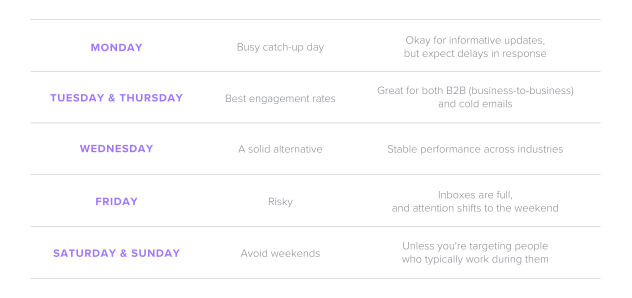
El objetivo es alinear tu calendario de correos con los ritmos naturales de tu audiencia, y la mayoría de la gente no revisa correos de marketing durante el lanzamiento.
Mejor momento del día para enviar correos electrónicos
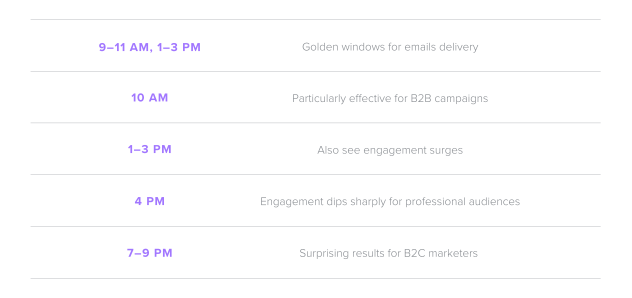
Una vez que hayas elegido el día adecuado, la siguiente pregunta es: ¿cuál es la mejor hora para enviar correos electrónicos? Según las referencias del sector, de 9 a 11 a. m. y de 1 a 3 p. m. (hora local del destinatario) son franjas ideales para el envío.
Los picos matutinos se producen cuando los profesionales revisan su bandeja de entrada al llegar al trabajo o al terminar su rutina de la mañana. La media mañana (10 a. m.) es especialmente eficaz para las campañas B2B. Más tarde, las horas posteriores al almuerzo (de 1 a 3 p. m.) también registran aumentos de interacción, ya que la gente vuelve a sus pantallas con energías renovadas.
Para los profesionales del marketing B2C (business-to-consumer), las franjas de primera hora de la noche entre las 7 y las 9 p. m. pueden dar resultados sorprendentes, especialmente en e-commerce y retail, ya que los consumidores consultan ofertas o leen correos mientras se relajan al final del día.
Recuerda: la interacción cae bruscamente después de las 4 p. m. y sigue bajando por la noche en el caso de audiencias profesionales, así que evita los envíos tardíos a menos que estés seguro de que tu audiencia incluye noctámbulos o destinatarios internacionales.
Mejor momento para enviar correos B2B
Las audiencias B2B siguen un patrón más estructurado, influido en gran medida por las rutinas de oficina y los ciclos de productividad. Dado que el 59% de los profesionales del marketing B2B cita el correo electrónico como su principal canal de ingresos, optimizar los horarios de envío no es negociable.
El mejor momento para enviar correos B2B es entre las 9 y las 11 a. m. o entre la 1 y las 2 p. m., especialmente los martes y miércoles. Estas franjas horarias coinciden con los momentos en que quienes toman decisiones revisan informes, se preparan para reuniones o se ponen al día con tareas, por lo que es más probable que interactúen con correos relevantes.
Evitar las últimas horas de la tarde es clave: para entonces, las bandejas de entrada están saturadas y la concentración mental disminuye. Si gestionas una campaña global, ten en cuenta la alineación de zonas horarias: sincronizar con Eastern Standard Time (EST) suele ser una buena opción por defecto, especialmente si te diriges a profesionales de EE. UU.
Mejor momento para enviar correos en frío o correos de ventas
La prospección en frío es un arte, y el timing es una parte fundamental. A diferencia de los correos de marketing, los correos en frío y los correos de ventas deben llegar cuando los destinatarios no solo están disponibles, sino también receptivos.
Procura enviar correos en frío entre las 10 y las 11 a. m. o entre las 2 y las 3 p. m., siendo los martes y jueves los días ideales. Estos horarios evitan la saturación de primera hora de la mañana y el cansancio del final del día, maximizando las probabilidades de que tu correo se lea y reciba respuesta.
Además, la personalización desempeña un papel importante. Los correos en frío con asuntos personalizados registran tasas de apertura un 29% más altas — un simple ajuste que puede transformar tus resultados. Así que asegúrate de profundizar en la estructuración de mensajes de prospección.
Igual de importante es evitar la carpeta de spam. Asegúrate de que tus correos superen los filtros de spam siguiendo las mejores prácticas.
Cómo afectan las zonas horarias a la entrega de correos electrónicos
En campañas globales, es fácil olvidar que tu envío de las 10 a. m. puede llegar a las 3 a. m. para un segmento de tu audiencia. Enviar correos sin tener en cuenta las zonas horarias puede provocar una baja interacción, incluso si el contenido es relevante y está bien programado a nivel local.
Para abordar esto, utiliza herramientas como Mailchimp, Mailercloud o HubSpot, que permiten programar según la zona horaria. Esto garantiza que tu correo llegue a las bandejas de entrada en los momentos óptimos, estén donde estén tus destinatarios.
Planificar en función de las zonas horarias es especialmente importante para la prospección B2B internacional o las campañas globales de ventas. Un simple ajuste en la programación puede mejorar significativamente las tasas de apertura y conversión.
Para obtener los mejores resultados, segmenta tu audiencia por ubicación geográfica y prueba distintos horarios de envío para determinar qué funciona mejor en cada región. Lo que rinde bien al mediodía en París puede rendir peor en Singapur.
Consejos finales para mejorar la interacción por correo electrónico

El timing perfecto es poderoso, pero solo es una parte de la ecuación. Para maximizar realmente la interacción, combina una programación estratégica con estas mejores prácticas:
1. Asuntos potentes — el asunto es la primera impresión. Haz que cuente con claridad, despertando curiosidad o mediante una propuesta de valor convincente.
2. Personalización — dirígete a los destinatarios por su nombre, haz referencia a su sector o comportamiento y ofrece contenido adaptado — demuestra que los conoces.
3. Optimización para móviles — dado que el 41% de las visualizaciones de correos proviene de dispositivos móviles, diseña correos que se vean bien y funcionen sin problemas en teléfonos y tabletas.
4. Segmentación — no todos los suscriptores son iguales. Agrupa a tu audiencia por comportamiento, ubicación o sector para ofrecer contenido más relevante y específico.
5. Pruebas A/B — prueba continuamente distintos horarios de envío, formatos y mensajes. Usa la analítica para perfeccionar y mejorar futuras campañas.
La conclusión
El mejor momento para enviar correos electrónicos no es un mito — es medible, comprobable y, cuando se aplica correctamente, puede cambiar las reglas del juego.
Al combinar las referencias del sector con una comprensión del comportamiento de tu audiencia, puedes programar tus mensajes para que lleguen cuando tendrán el mayor impacto. Y con las herramientas adecuadas al alcance de tu mano, incluida la dirección de correo electrónico empresarial correcta, ejecutar una campaña de correo exitosa no solo resulta más fácil, sino también más inteligente.
¿Listo para pulsar «Enviar» justo en el momento adecuado?
Preguntas frecuentes
La mejor hora del día para enviar correos electrónicos suele ser a media mañana, alrededor de las 10 a. m., o a primera hora de la tarde, entre la 1 y las 3 p. m. Estas franjas coinciden con pausas naturales en la rutina de la mayoría de las personas, ya sea después de haberse asentado en su jornada laboral o después de comer, lo que hace más probable que revisen su bandeja de entrada e interactúen con ella. Ten en cuenta que estos horarios siempre deben ajustarse según la zona horaria de tu audiencia para lograr un rendimiento óptimo.
Las investigaciones muestran de forma constante que el martes y el jueves son los mejores días para enviar un correo electrónico, especialmente en marketing y comunicación B2B. A mitad de semana, los destinatarios tienden a estar más concentrados y receptivos, mientras que los lunes suelen dedicarse a ponerse al día y los viernes a desconectar mentalmente. Si vas a lanzar una campaña urgente o una newsletter, apunta a estos días de alta interacción.
Por supuesto. El mejor momento para enviar correos electrónicos varía según el sector y el comportamiento de la audiencia. Por ejemplo, los correos B2B suelen funcionar mejor a media mañana entre semana, cuando los profesionales están en sus escritorios. Por otro lado, los correos B2C y las campañas de retail pueden registrar una mayor interacción por la noche o los fines de semana, cuando los consumidores navegan de forma más relajada. El mejor momento para enviar correos de ventas para prospección suele ser de 10 a 11 a. m. o de 2 a 3 p. m. los martes o jueves, cuando los prospectos están concentrados pero no saturados.
Ambos tienen sus ventajas, según tus objetivos. Los correos de la mañana, especialmente los enviados entre las 9 y las 11 a. m., suelen beneficiarse de estar en la parte superior de la bandeja de entrada cuando la gente empieza el día. Los correos de la tarde, enviados entre la 1 y las 3 p. m., también pueden ser eficaces cuando los usuarios vuelven de comer y revisan sus mensajes. En el caso de los correos de ventas, el punto ideal suele estar a media mañana o a primera hora de la tarde los martes o jueves, lo que los convierte en el mejor momento para enviar correos de ventas si tu objetivo es obtener respuestas e interacción.

Artículos sugeridos

Comparte tus ideas