
A DNS-biztonság olyan, mint a légiforgalmi irányítás az internet számára. Kezeli az adatáramlást, hogy biztosítsa a biztonságos és helyes útválasztást, akárcsak a repülőgépek esetében a zsúfolt légtérben.
DNS-biztonság nélkül a domained és a weboldalad ki van téve a rosszindulatú szereplőknek, akik a DNS-folyamat manipulálására és a látogatók félreirányítására törekednek.
Legyen szó arról, hogy egy elosztott szolgáltatásmegtagadás (DDoS) miatt a weboldalad elérhetetlenné válik a felhasználók számára, vagy arról, hogy a kapcsolattartási adataidat egy domaineltérítő saját adataira cserélik, és átruházzák a domain tulajdonjogát — a rosszindulatú szereplők súlyosan károsíthatják a weboldaladat, a bevételedet és az üzleti hírnevedet.
A DNS-problémák a weboldalad mindennapi teljesítményét, rendelkezésre állását, sebességét és megbízhatóságát is befolyásolhatják.
Röviden: a DNS-biztonság a teljes digitális identitásod megerősítéséről szól.
A DNS-támadások gyakori típusainak azonosítása
A tudás erő. Nézzük meg a DNS-kibertámadások fő típusait és azt, hogyan lehet védekezni ellenük.
DNS-gyorsítótár-mérgezés (más néven DNS-spoofing)
Mi történik:
A DNS rossz IP-címet ment el, és a felhasználókat anélkül irányítják át hamis (gyakran rosszindulatú) webhelyekre, hogy ezt észrevennék.
Lehetséges következmények:
A hitelesség elvesztése, üzleti veszteség és az ügyféladatok sérülékenysége.
Megoldások:
Olyan domainszolgáltatót válassz, amely Domain Name System Security Extensions (DNSSEC) megoldást kínál, ahol a digitális aláírások biztosítják, hogy a DNS ne legyen manipulálva, amikor a webhely nevét IP-címre fordítja.
Elosztott szolgáltatásmegtagadás (DDoS)

Mi történik:
A DDoS támadás során több rendszer árasztja el a webhely sávszélességét vagy erőforrásait, túlterhelve a szervert és megakadályozva a valódi látogatásokat (szolgáltatásmegtagadás).
Lehetséges következmények:
Webhelyleállás, hírnévkárosodás és pénzügyi veszteség.
Megoldások:
Olyan domainszolgáltatót válassz, amely biztosítja, hogy DNS-infrastruktúrája ellenálló legyen, és a tárhelyszolgáltatód erős DDoS-védelemmel rendelkezzen a szerverek számára. Rendszeresen figyeld a forgalmat, és frissítsd a hálózatbiztonsági rendszereket.
DNS sinkhole támadások
Mi történik:
A DNS-bejegyzések megsérülnek, bizonyos webhelyekhez vagy szolgáltatásokhoz való hozzáférés blokkolódik, és a forgalom egy potenciálisan rosszindulatú célállomásra irányul.
Lehetséges következmények:
Kártékony szoftvert (malware) terjesztő webhelyeknek való kitettség, adatlopás és szolgáltatáskimaradás.
Megoldások:Válassz olyan domainszolgáltatót, amely Domain Name System Security Extensions (DNSSEC) megoldást kínál, használj megbízható szolgáltatóktól származó DNS-szervereket, és rendszeresen frissítsd a DNS-szervereket. Ismerd meg az adathalászatot és a DNS-támadásokat, valamint azt, hogyan védheted meg eszközeidet és adataidat.
DNS-amplifikációs támadások
Mi történik:
A kis lekérdezések sokkal nagyobb terheléssé alakulnak, amelyeket az áldozat hálózatára irányítanak, ami magas forgalmi szintet eredményez.
Lehetséges következmények:
Hálózati túlterhelés, amely szolgáltatásmegtagadáshoz és erőforrás-kimerüléshez vezethet.
Megoldások:Győződj meg arról, hogy a szolgáltatód figyeli a hálózati forgalmat, rendszeresen frissíti a hálózatbiztonsági rendszereket, és úgy állítja be a DNS-szervereket, hogy csak ismert vagy belső IP-címekről érkező kérésekre válaszoljanak.
Domaineltérítés
Mi történik:
Egy támadó jogosulatlan hozzáférést szerez egy webhely domainregisztrációs fiókjához, ami lehetővé teszi számára a regisztrációs adatok módosítását, a forgalom átirányítását vagy a domain teljes átvételét.
Lehetséges következmények:
Az oldal feletti irányítás elvesztése, hírnévkárosodás, rosszindulatú webhelyekre történő átirányítás és érzékeny információk ellopása.
Megoldások:
Engedélyezd a kétfaktoros hitelesítést (2FA), válassz egyedi, erős jelszavakat, válassz megbízható domainregisztrátort, tartsd naprakészen a kapcsolattartási adatokat, és oktasd a domainregisztrációs fiók felhasználóit az adathalász csalásokkal kapcsolatban.
Zónaátviteli támadások
Mi történik:
A támadók megszerzik a teljes DNS-zónafájl másolatát az elsődleges DNS-szerverről (amely tartalmazza a domaininformációkat, beleértve a DNS-rekordokat is), és átmásolják azt egy másodlagos DNS-szerverre. Ezután fontos szolgáltatások IP-címeit vehetik célba.
Lehetséges következmények:
Érzékeny információk kiszivárgása, fokozott sérülékenység és lehetséges további támadások.
Megoldások:
Korlátozd a DNS-zónaátviteleket úgy, hogy csak engedélyezett szervereket engedélyezel, vezess be hozzáférés-szabályozást a jogosulatlan zónaátvitelek megakadályozására, és használj DNSSEC-et.
Adathalászat

Mi történik:
Egy megbízható entitás megszemélyesítésével e-mailben vagy üzeneteken keresztül a támadók ráveszik a felhasználókat arra, hogy érzékeny adatokat, például jelszavakat vagy bankkártyaszámokat adjanak meg hamis webhelyeken.
Lehetséges következmények:
Személyazonosság-lopás, pénzügyi veszteség, adatvédelmi incidens és a szervezetbe vetett bizalom elvesztése.
Megoldások:
Ismerd meg az adathalászati taktikákat, használj levélszemétszűrőket, és tartsd naprakészen a biztonsági szoftvereket és rendszereket.
Typosquatting
Mi történik:
Jól ismert domainnevek kisebb elgépeléseinek regisztrálásával (például spcship.com a spaceship.com helyett) a gyanútlan felhasználókat csaló webhelyekre vezetik.
Lehetséges következmények:
Átirányítás rosszindulatú webhelyekre, márkakárosodás, információlopás és hirdetési bevételek ellopása.
Megoldások:
Regisztráld a domainneved gyakori elírásait, tanítsd meg a felhasználókat arra, hogy érzékeny adatok megadása előtt ellenőrizzék a domainneveket, és érvényesíts olyan szabályzatokat, amelyek megakadályozzák a jól ismert márkákhoz vagy védjegyekhez nagyon hasonló domainnevek regisztrálását.
Regisztrátori adatszivárgások
Mi történik:
A támadók jogosulatlan hozzáférést szereznek a domainregisztrátor rendszereihez, és az adatszivárgások érzékeny információkat fedhetnek fel, például felhasználóneveket, e-mail-címeket, jelszavakat és fizetési adatokat.
Lehetséges következmények:
Személyes adatok kiszivárgása, személyazonosság-lopás, pénzügyi csalás és a domaineltérítés kockázata.
Megoldások:
A regisztrátoroknak erős biztonsági gyakorlatokat kell fenntartaniuk az ügyféladatok védelme érdekében, a felhasználóknak pedig erős, egyedi jelszavakat kell választaniuk, és 2FA-t kell használniuk.
DNS-alagútkezelés
Mi történik:
A DNS-protokoll használatával a támadók jogosulatlan adatokat csempészhetnek át egy hálózaton, megkerülve a tipikus hálózatbiztonsági intézkedéseket.
Lehetséges következmények:
Kártevőkommunikáció, adatkiszivárogtatás, a hálózatbiztonság sérülése és sávszélesség-fogyasztás.
Megoldások:
A regisztrátoroknak figyelniük kell a DNS-forgalmat a DNS-alagútkezelés jelei után kutatva, szigorú DNS-szabályzatokat kell érvényesíteniük, és úgy kell konfigurálniuk a tűzfalakat, hogy figyeljék a szokatlan mintákat.
Gyorsítótár-mérgezés kártevőn keresztül
Mi történik:
Kártevőt használnak a felhasználó számítógépének vagy hálózati eszközének DNS-gyorsítótárának megrontására, aminek eredményeként a domainnevek helytelen IP-címekre oldódnak fel. A várt célállomás helyett a felhasználókat egy csaló vagy rosszindulatú webhelyre irányítják át.
Lehetséges következmények:
Átirányítás, adatlopás, kártevők terjedése és a bizalom elvesztése.
Megoldások:
A regisztrátorok együttműködhetnek az internetszolgáltatókkal (ISP-k) és biztonsági szervezetekkel a kártevők által használt rosszindulatú domainek azonosítása és blokkolása érdekében. Használj kártevőirtó szoftvert, és rendszeresen frissíts minden szoftvert.
A domainszolgáltatói platformokat érintő DNS-kapcsolódó támadások
Mi történik:
Egy szolgáltató DNS-infrastruktúráját veszik célba azzal a szándékkal, hogy megzavarják a szolgáltató platformját és működését. A támadások közé tartozhatnak a DNS-szerverek elleni DDoS-támadások, a DNS-eltérítés és a gyorsítótár-mérgezés.
Lehetséges következmények:
Szolgáltatáskimaradás, adatszivárgási kockázat, hírnévkárosodás, valamint működési és pénzügyi veszteségek.
Megoldások:
A regisztrátoroknak magas szintű biztonsági protokollokkal és gyakorlatokkal kell rendelkezniük. Az erős monitorozási és incidenskezelési képességek segíthetnek a DNS-biztonsági incidensek gyors észlelésében és kezelésében. Válassz olyan szolgáltatót, amely erős hírnévvel rendelkezik a biztonság és a megbízhatóság terén.
Segítség a domained támadások elleni védelmében

Most, hogy többet tudsz a DNS-biztonsági támadásokról és arról, miért fontos a DNS-biztonság, íme két mód, ahogyan a választott domainregisztrátor segíthet biztonságban tartani a domainedet.
Zónafájl-integritás
Mi történik:
A zónafájl-integritás a DNS-zónafájl pontosságának és biztonságának fenntartását jelenti. A zónafájl-integritás sérülése jogosulatlan hozzáférés, hibás konfigurációk vagy támadások miatt következhet be, és a felhasználók helytelen IP-címekre történő átirányításához vezethet.
Lehetséges következmények:
Nem kívánt vagy rosszindulatú webhelyekre történő félreirányítás, a domain hírnevének károsodása, az e-mail-kézbesítési rekordok sérülése az MX-rekordok manipulálása miatt, valamint további támadások lehetősége.
Megoldások:
A regisztrátoroknak rendszeresen auditálniuk kell a DNS-zónafájlokat jogosulatlan módosítások vagy pontatlanságok után kutatva, be kell vezetniük a DNSSEC-et, biztonsági mentési és helyreállítási tervekkel kell rendelkezniük, valamint korlátozniuk kell a DNS-rekordok módosításához való hozzáférést.
DNS-visszaélések jelentése
Mi történik:
A DNS-visszaélések jelentése során a felhasználók, IT-szakemberek vagy automatizált rendszerek proaktívan jelzik a DNS-tevékenységeket vagy visszaéléseket azoknak a szervezeteknek, amelyek felelősek az ilyen ügyek kezeléséért.
Lehetséges következmények:
Jelentés nélkül a rosszindulatú tevékenységek folytatódhatnak, veszélyeztetve a hálózatbiztonságot, valamint elősegítve a kártevők és az adathalász kampányok terjedését.
Megoldások:
A jelentési protokollokról szóló oktatás, a DNS-hatóságokkal való együttműködés, az automatizált észlelés, valamint a gyors reagálás és intézkedés segíthet a DNS-visszaélések jelentésének sikerességében.
A megfelelő szolgáltató kiválasztása: fő szempontok
A megfelelő domainregisztrátor, tárhelyszolgáltatás és DNS-biztonsági szolgáltató kiválasztása, amely tisztában van a DNS-biztonság előnyeivel, magabiztosságot ad afelől, hogy online jelenléted biztonságban van.
Biztonsági funkciók
Most, hogy már ismered a gyakori DNS-biztonsági támadásokat, és érted, miért fontos a DNS-biztonság, természetesen kiemelkedő biztonsági funkciókat fogsz keresni, például DNSSEC-hitelesítést és DNS DDoS-megelőzést a szolgáltató kiválasztásakor.
Az, hogy a domainregisztrációs adataidat bizalmasan lehet kezelni, és véletlenszerűen generált adatokkal lehet helyettesíteni, megóvja azokat a hackerektől és a személyazonosság-tolvajoktól. Figyelj arra, hogy a választott szolgáltató kínál-e ingyenes domainadatvédelmet.
Szánj időt arra, hogy megismerd a gyakori fenyegetések, például az adathalászat, a kártevők és a DNS-támadások elleni szabályzatokat és intézkedéseket. Olyan szolgáltatót válassz, amely szigorúan betartja a DNS-biztonság legjobb gyakorlatait.
Skálázhatóság és teljesítmény
A szolgáltatódnak lehetőséget kell biztosítania arra, hogy a weboldalad növekedésével együtt bővíthesd azt. Ellenőrizd, hogy a betöltési sebesség és a sávszélességkorlátok megfelelnek-e az igényeidnek egy tárhelycsomag esetében.
Biztonsági mentés és helyreállítás
Adatvesztés esetén mérd fel a biztonsági mentések gyakoriságát és az adatok helyreállításának egyszerűségét. Győződj meg arról, hogy a szolgáltatód rendelkezik megbízható helyreállítási tervvel.
Felhasználóbarát kezelőeszközök
Az intuitív vezérlőpult megkönnyíti a domain- és tárhelybeállítások kezelését, valamint különféle eszközöket biztosít a DNS-kezeléshez.
A biztonság alapértelmezett a Spaceshipnél
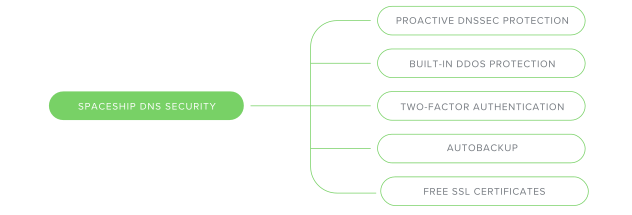
Nem meglepő, hogy a Spaceshipnél a domainek állnak a középpontban. A robusztus DNS-biztonság létfontosságú a vállalkozásunk és az ügyfeleink számára. Átfogó webplatformként magas szintű biztonsági megoldásaink védelmet nyújtanak a DNS-fenyegetésekkel szemben, amíg velünk vagy.
Amit kínálunk:
Proaktív DNSSEC-védelem
A domained biztonsága automatizált, így védelmet kap a gyakori DNS-fenyegetésekkel szemben. A rekordok digitális aláírása az eredetiség és sértetlenség biztosítása érdekében megelőzi az olyan fenyegetéseket, mint a DNS-gyorsítótár-mérgezés és a domaineltérítés. Ha a regisztrált legfelső szintű domained (TLD) támogatja a DNSSEC-et a registry szintjén, engedélyezni fogjuk.
Beépített DDoS-védelem
DNS-szintű védelmet kapsz a szerver integritásának védelmével együtt. Kiszűrjük a rosszindulatú forgalmat, így a DNS folyamatosan működőképes marad.
Kétfaktoros hitelesítés
A domained és a fiókkezelésed kétfaktoros hitelesítéssel (2FA) van megerősítve, ami segít megelőzni a jogosulatlan hozzáférést.
AutoBackup
A Shared Hosting csomagokkal automatikusan biztonsági mentést készíthetsz a weboldaladról. Nincs szükség bonyolult beállításra, a napi, heti és havi mentések pedig külön szerveren lesznek tárolva. Válaszd ki és állítsd vissza a kívánt verziót, amikor csak szükséged van rá.
Ingyenes SSL-tanúsítványok
Tartsd biztonságban a felhasználói böngészők és a webhelyed szervere közötti kommunikációt titkosítással, megvédve a személyes adatokat a jogosulatlan hozzáféréstől. Az SSL-tanúsítványok ingyenesek a Shared Hosting csomagokhoz.
Platformunk minden lépésnél biztonságban tart téged és a domainjeidet.
Az ingyenes domainadatvédelemtől a regisztrációkor kezdve a beépített biztonsági funkciókig, mint a DNSSEC-hitelesítés, valamint a tárhelycsomag-kiegészítőkig, mint az AutoBackup — és még azon túl is.
A domainjeid és online jelenléted nemcsak biztonságban vannak a Spaceshipnél — hanem jövőbiztosak is.
Ha olyan szolgáltatót keresel, amelynél a biztonság alapértelmezett, akkor tudod, hogy nálunk jó kezekben vagy.

Ajánlott cikkek




Hozzászólások (1)
theidioms.com
2024. máj. 15.