
AI ভবিষ্যৎ নয় — এটি আমাদের চোখের সামনেই ঘটছে
আর যদি আপনি এখনও না দেখে থাকেন, এটি সবকিছুতেই বিপ্লব ঘটাচ্ছে।
আমরা যে গণনাশক্তি (বিনামূল্যে) ধার নিতে পারি, তার মানে এটি সমাধান করতে পারে না—এমন কিছু প্রায় নেই। তবে এর বিশাল ডেটাসেটই হলো যেখানে এটি সত্যিকার অর্থে উজ্জ্বল।
AI মূলত একটি বিশাল গ্রন্থাগার, যা সময়জুড়ে মানবজাতির সেরাদের কাছে তাৎক্ষণিক প্রবেশাধিকার দেয়। এর শব্দগুলো হলো লক্ষ লক্ষ সেরা ও মেধাবী মানুষের প্রতিধ্বনি, আর এখন আমরা এই সবকিছুর নাগাল পেয়েছি, সম্ভাবনাগুলো প্রায় অন্তহীন
আপনি সম্ভবত এসব আগেই জানেন, কিন্তু আপনার ব্যবসায়িক কৌশল পরিচালনায় সহায়তার জন্য কি আপনি এটিকে এর পূর্ণ সম্ভাবনায় ব্যবহার করেছেন?
মানুষ হিসেবে আমরা যা করতে পারি তার প্রতিদ্বন্দ্বী হিসেবে না দেখে, আমি এটিকে এমন একটি সহায়ক হিসেবে ভাবতে পছন্দ করি, যার কাছে আমরা কাজ আউটসোর্স করতে পারি। আমাদের কাজের ধরনে এটিকে অন্তর্ভুক্ত করলে, আমাদের ব্যবসাগুলো সর্বোচ্চ সুবিধা পায়।
আপনি যদি এখনও আপনার ব্যবসায় সাহায্যের জন্য AI ব্যবহার না করে থাকেন, তাহলে আপনার করা উচিত। এটি কোনো প্রশ্ন নয়, এটি একটি সত্য — কারণ অন্য সবাই করছে, এবং এটি এমন কিছু নয় যেখানে আপনি পিছিয়ে পড়তে চাইবেন।
তাহলে চলুন, আপনার ব্যবসায়িক পরিকল্পনায় AI-এর ভবিষ্যৎ অন্তর্ভুক্ত করার কয়েকটি মৌলিক উপায় দেখে নেওয়া যাক।
গ্রাহকসেবার জন্য AI
আমাদের অধিকাংশেরই সম্ভবত AI-এর প্রথম স্বাদ ছিল ‘কথা বলা রোবট’ হিসেবে। এমন এক ধরনের জিনিস, যা যেন H.G. Wells বা Michael Crichton-এর বইয়ের পাতা থেকে সরাসরি বেরিয়ে এসেছে। জটিল প্রশ্ন করা ও তার উত্তর দেওয়া, এবং সেই সময় পর্যন্ত সাধারণ search যতটা পেরেছিল তার চেয়েও বেশি দক্ষতা দেখানো।
তাই আপনার ব্যবসার মধ্যে সেই কথোপকথনমূলক ভূমিকায় এটিকে কাজে লাগানোর ধারণাটি আগে অনুসন্ধান করা যুক্তিযুক্ত। গ্রাহকসেবা সামলাতে দক্ষ, গ্রাহকের ভাষাভঙ্গির সঙ্গে মানিয়ে নিতে সক্ষম, এবং এখন অনেকে যেটিকে এর স্বাক্ষরধর্মী সহমর্মিতা বলে মনে করেন তা ব্যবহার করে, এটি “প্রায় মানুষের মতো” অন্তর্দৃষ্টির স্তরে পৌঁছাতে পারে (তবে আসলে এটি বিলিয়ন বিলিয়ন অন্যান্য ডেটা পয়েন্টের প্যাটার্নের ভিত্তিতে পূর্বাভাসমূলকভাবে কাজ করে)।
AI concierge বাস্তবায়ন
এ ধরনের AI ছোট ব্যবসার জন্য দারুণ একটি বিকল্প হতে পারে, যারা বাস্তব কোনো গ্রাহকসেবা দল নিয়োগ দিতে পারে না, অথবা বিদ্যমান দল থেকে আরও বেশি সুবিধা পেতে চায়—মৌলিক সমস্যাগুলো সমাধান করে জিজ্ঞাসাকে মানব সহায়তায় পাঠানোর প্রয়োজন ছাড়াই। এটি হলো একটি যন্ত্রের ছোট্ট সহায়ক হাত, যা আপনার FAQs-কে জীবন্ত করে তোলে।
এবং এর জন্য বিপুল খরচও করতে হবে না। অনেক প্রস্তুত সমাধান রয়েছে যা আপনাকে সাহায্য করতে পারে, এবং এর কিছু আপনি বিনামূল্যেও চেষ্টা করতে পারেন।
Spaceship-এর Alf — একটি কেস স্টাডি

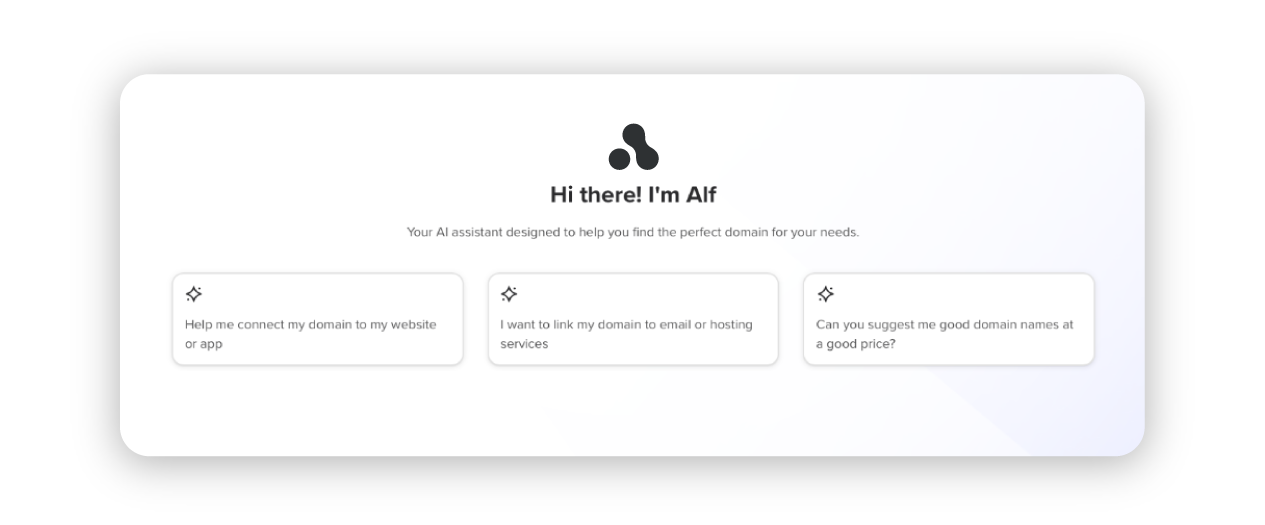
আপনি কি এখনও Alf-এর সঙ্গে পরিচিত হয়েছেন? আমাদের বন্ধুসুলভ (এবং অবিশ্বাস্যভাবে সহায়ক) AI সহকারী।
Alf-কে আলাদা করে তোলে এই বিষয়টি যে, এটি গ্রাহকসেবার জন্য AI-এর এই মৌলিক ধারণাটিকে আরও অনেক দূর এগিয়ে নিয়ে যায়। Alf আমাদের প্ল্যাটফর্মের সঙ্গে পুরোপুরি একীভূত হওয়ার কারণে শুধু জিজ্ঞাসার উত্তর দেওয়ার চেয়েও বেশি কিছুতে গ্রাহকদের সাহায্য করে।
Alf গ্রাহকদের ডোমেইন নাম খুঁজে পেতে সাহায্য করা থেকে শুরু করে ডোমেইন ব্যবস্থাপনার কিছু (আগে যেগুলোকে) আরও জটিল কাজ বলা হতো—যেমন nameserver পরিবর্তন করা বা DNS Records বদলানো—সবই করতে পারে। এই প্রাসঙ্গিক সহায়তাই এটিকে আরও সরল concierge সিস্টেমের তুলনায় উৎকৃষ্ট করে তোলে।
অবশ্যই, Alf Spaceship-এর জন্য বিশেষভাবে তৈরি, তবে এটি এমন অনেক নতুন সিস্টেমের একটি, যা পুরোপুরি একীভূত হলে AI সহকারী কী করতে পারে সে ধারণাকেই চ্যালেঞ্জ জানায়। এগুলো নিয়ে আমরা পরে আরও কথা বলব। আপনি যদি প্রস্তুত সমাধান চান, তাহলে customer concierge দিয়ে শুরু করা একটি শক্তিশালী পদক্ষেপ।
এটাও উল্লেখ করার মতো যে, Alf আমাদের বাস্তব মানব দলের পাশাপাশি একটি পরিপূরক সহায়তা সেবা। AI-কে মানব গ্রাহক সহায়তার সঙ্গে ভারসাম্যপূর্ণভাবে ব্যবহার করলে ‘দুই জগতের সেরা’ ধরনের একটি পরিস্থিতি তৈরি হয়।
গ্রাহকেরা Alf থেকে দ্রুত, নির্ভরযোগ্য উত্তর এবং বুদ্ধিমান পরামর্শ পান, তবে আরও জটিল প্রশ্নের ক্ষেত্রে তাদের স্থানান্তর করা হয়, যা সামগ্রিকভাবে আরও ভালো প্রতিক্রিয়া সময় নিশ্চিত করে।
অন্তর্দৃষ্টি ও বিশ্লেষণের জন্য AI
বিশাল গণনাশক্তি এবং ট্রিলিয়ন ট্রিলিয়ন ডেটা পয়েন্ট AI-কে মানুষের অনুকরণে দক্ষ করে তুলতে পারে, তবে এটি একই সঙ্গে আমাদের অধিকাংশের জন্য বিনামূল্যে ব্যবহারের সুযোগ পাওয়া সবচেয়ে শক্তিশালী কম্পিউটারও।
সম্প্রতি আমি Microsoft’s Copilot-কে জিজ্ঞেস করেছিলাম, একটি সাধারণ প্রশ্নের উত্তর দিতে কতটা গণনাশক্তি লাগে। বিদ্রূপাত্মকভাবে, এর উত্তরটি সরল নয়, তবে সারকথা হলো: AI মডেল শুধু তথ্য উদ্ধার করে না। তারা বিশাল ডেটাসেটজুড়ে প্যাটার্ন বিশ্লেষণ করে উত্তর তৈরি করে। সহজ ভাষায়, এমনকি একটি “সাধারণ” প্রশ্নের জন্যও আমাদের অধিকাংশের ব্যক্তিগতভাবে কখনও মালিকানায় থাকার সম্ভাবনার চেয়ে বেশি কম্পিউটিং শক্তি লাগতে পারে।
আমার পরামর্শ হলো, এই উপহারটির সর্বোচ্চ ব্যবহার করুন (যতদিন এটি থাকে)। আপনি যে ব্যবসায়িক ডেটা পরে বিশ্লেষণ করার জন্য সংগ্রহ করে রেখেছেন… কেন AI-কে তা করতে দেবেন না? সাফল্যের সর্বোত্তম সম্ভাবনার জন্য আপনি একটি সঠিকভাবে গঠিত CSV ফাইল আপলোড করতে চাইবেন (মৌখিকভাবে কী চান তা বর্ণনা করার বদলে), তবে ডেটা থেকে আপনি যদি কিছু বের করতে চান, সম্ভাবনা হলো এটি আপনার জন্য তা করতে পারবে।
এরপর যা আসছে, তা প্রায় সীমাহীন সম্ভাবনার মাত্র কয়েকটি উদাহরণ। আপনি যা ভাবছেন, তাতে AI সাহায্য করতে পারবে কি না নিশ্চিত নন? শুধু এটিকে জিজ্ঞেস করুন!
AI-এর ডেটা বিশ্লেষণের উদাহরণ
|
মূল বিষয়গুলো
উপরের উদাহরণগুলোতে আপনি লক্ষ্য করবেন যে অনেক অফারই চিত্তাকর্ষক মনে হয় — বা এমনকি সত্যি হওয়ার জন্যও খুব ভালো। এটি কি সত্যিই আপনাকে সরবরাহকারীদের সঙ্গে দরকষাকষিতে সাহায্য করতে পারে?
আসলে, হ্যাঁ এবং না। সহজেই ডেটা আপনার হাতের নাগালে এনে দিয়ে এটি আপনাকে প্রায় অসীমভাবে সাহায্য করতে পারে। পুরোনো প্রবাদ যেমন বলে, জ্ঞানই শক্তি, তাই পরামর্শ দেওয়া সবসময়ই ভালো — যতক্ষণ আপনি বুঝতে পারেন কোনগুলো বাস্তবসম্মত এবং কার্যকর! যদি আপনি তা করতে সক্ষম মনে না করেন, সেটাও সহজ: শুধু AI-কে আরও গভীরে যেতে বলুন। জিনিসগুলোকে ভেঙে ব্যাখ্যা করা, যতক্ষণ না আপনি বুঝতে পারেন—এতে এটি দারুণ দক্ষ।
ঐতিহাসিকভাবে ডেটা বিশ্লেষণ হয়তো পরিমাণগত বা গুণগত—যেকোনো একটির ওপর কেন্দ্রীভূত ছিল, কিন্তু AI-এর চটপটে স্বভাবের কারণে এটি সহজেই একই সঙ্গে দুটোই দিতে পারে, আপনার ডেটায় বাস্তব জগতের অর্থ এনে দেয়।
উদাহরণস্বরূপ, আপনি এটিকে জিজ্ঞেস করতে পারেন কেন আপনার Q2 আয় কমে গেছে, আর এটি আপনার ডেটার বাইরেও তাকাবে, আপনার মতো লক্ষ লক্ষ ব্যবসার রিপোর্টকৃত অভিজ্ঞতা থেকে অন্তর্দৃষ্টি টেনে আনবে। এটি অর্থনৈতিক কারণগুলো (স্থানীয় ও বৈশ্বিক উভয়ই) অন্তর্ভুক্ত করতে পারে, এবং এমন একটি গল্প বলতে পারে যা আপনার ডেটাকে আপনার চোখের সামনে জীবন্ত করে তোলে, চারপাশের বিশ্বের সঙ্গে এর বিস্তৃত প্রেক্ষাপট দেয়। এমন একটি বিষয়, যা আমরা যদি নিজেদের প্রতিধ্বনি-কক্ষে খুব বেশি আটকে যাই, কখনও কখনও ভুলে যেতে পারি।
এটাও মনে রাখার মতো যে AI সবসময়ই উপস্থিত, তাই সামান্যতম পরিবর্তন ঘটলেও, বা কিছু সংখ্যার জন্য আপনি আরও প্রেক্ষাপট পেলেও, আপনি একে সহজেই পুনর্মূল্যায়ন করতে বলতে পারেন, সম্পূর্ণ বিনামূল্যে।
নিবেদিত ডেটা বিশ্লেষণ টুল

ChatGPT-এর মতো টুলগুলো ডেটা অনুসন্ধান ও সারসংক্ষেপে সাহায্য করতে পারে, তবে ভারী ডেটা বিশ্লেষণ এবং লাইভ ড্যাশবোর্ডের ক্ষেত্রে এগুলো নিবেদিত analytics প্ল্যাটফর্মের পূর্ণ বিকল্প নয়।
আরও বিস্তারিত বিশ্লেষণাত্মক গভীর অনুসন্ধানের জন্য আপনি Microsoft’s Power BI, Google’s Looker, অথবা Apache’s Superset-এর মতো সিস্টেমগুলো বিবেচনা করতে পারেন।
এই তিনটি টুলই AI যুগের আগে তৈরি হয়েছিল, তবে এখন সবারই AI উন্নয়ন রয়েছে (যদিও Superset-এর ক্ষেত্রে এর জন্য অতিরিক্ত plugins ডাউনলোড করতে হয়)। Alf-এর মতো সরাসরি AI একীভূত করলে, এটি তার নিজস্ব ক্ষেত্রে খুবই সক্ষম।
মার্কেটিংয়ে গুণগত বিশ্লেষণের জন্য AI
এতে সংখ্যাগত ডেটা মোটামুটি কভার হলো, কিন্তু পুরোপুরি গুণগত ডেটার কী হবে?
এটিও খুবই আকর্ষণীয়, কারণ AI-এর আগে মানব ব্যাখ্যার বাইরে এমন কোনো টুলের কথা আমি ভাবতে পারি না, যা সত্যিই গুণগত ডেটা বুঝতে পারত।
রিভিউ প্রতিক্রিয়া — আপনার গ্রাহকেরা যা বলছেন, তাতে AI পুনরাবৃত্ত থিম শনাক্ত করতে পারে। এই বিশ্লেষণের অংশ হিসেবে এটি search ব্যবহার করে বলে, আপনি আগে দেখেননি এমন প্রতিক্রিয়াও এটি খুঁজে পেতে পারে।
অনুভূতির শ্রেণিবিন্যাস — AI গুণগত ডেটার মধ্যে থাকা অনুভূতিগুলো শ্রেণিবদ্ধ করতে পারে। এরপর আপনি এটিকে আরও binary করতে বলতে পারেন (যেমন ইতিবাচক, নেতিবাচক বা নিরপেক্ষ হিসেবে শ্রেণিবদ্ধ করা), যা প্রয়োজনে আপনাকে সহজেই গুণগত ডেটাকে পরিমাণগত করতে সাহায্য করতে পারে।
অডিয়েন্স পারসোনা— এটি একটু “অতিরঞ্জিত” শোনাতে পারে, তবে AI উপরে উল্লেখিত ডেটার মতো তথ্য ব্যবহার করে আপনার সবচেয়ে সাধারণ বা সবচেয়ে সম্ভাব্য অডিয়েন্স নির্ধারণ করতে পারে, এমনকি সাধারণ বৈশিষ্ট্য, আগ্রহ বা ব্যক্তিত্বের ধরনও সংজ্ঞায়িত করতে পারে।
এখান থেকে এটি আপনাকে আপনার ব্যবসাকে আরও ভালোভাবে সংজ্ঞায়িত করতে বা ধারণাগত সমস্যাগুলো সমাধান করতে সাহায্য করতে পারে। তবে এ ধরনের বিষয়কে অবশ্যই খুব সতর্কতার সঙ্গে নেবেন।
লজিস্টিক সমাধান ও ব্যবসায়িক অটোমেশনের জন্য AI
এবার আসি আরও সাধারণ ব্যবসায়িক সমাধানে, যা আপনাকে দৈনন্দিন কাজকর্মে সাহায্য করতে পারে।
আপনার ব্যবসার নিজস্ব সংগঠন নিয়ে ভাবুন। এটি হতে পারে roster তৈরি, scheduling, room management, বা shipments। এমনকি এটি marketing কার্যক্রমও স্বয়ংক্রিয় করতে সাহায্য করতে পারে। targeting এবং personalization-এ এটি বিশেষভাবে দক্ষ। আপনি যদি আপনার demographics জানেন, তবে প্রতিটি গোষ্ঠীর সঙ্গে সবচেয়ে বেশি সাড়া ফেলতে পারে এমন email এবং social media post তৈরি করতে এটি সাহায্য করতে পারে।
roster তৈরির কথা কী? কেন আপনার কর্মীদের তালিকা, তাদের প্রাপ্যতা, এবং যে সময়গুলো কভার করতে হবে সেগুলো ChatGPT-এর মতো কোনো টুলে দিয়ে দেখছেন না, এটি কী বের করে আনে?
আমি এটিকে একই ধরনের একটি prompt দিয়েছিলাম:
“আমি চাই আপনি আমার জন্য একটি room manage করুন। এর নাম Test Suite। এটি সোমবার থেকে শুক্রবার, সকাল ৯টা থেকে বিকেল ৫টা পর্যন্ত উপলভ্য, এবং company email (name@site.com) থাকা যে কেউ সর্বোচ্চ এক ঘণ্টার জন্য slot বুক করতে পারবে।”
সঙ্গে সঙ্গেই এটি এমন একটি সমাধান নিয়ে ফিরে এলো, যা প্রয়োজনীয় যুক্তি (double booking নয়, ইত্যাদি) নিজেই বুঝে নিয়েছিল, এবং আমাকে শুধু নাম ও সময় ইনপুট দিতে দিয়েছিল — বাকিটা এটি নিজেই গুছিয়ে নিত। খালি slot জানতে চান? কোনো সমস্যা নেই। বর্তমান সব booking-এর সারসংক্ষেপ চান? এই নিন। সহজ, স্বজ্ঞাত, এবং নির্ভরযোগ্য।
তবে, আমি যখন আরও গভীরে গেলাম, তখন দেখা গেল এই টুলটি কেবল বর্তমান কথোপকথনের মধ্যেই সংরক্ষিত থাকবে এবং কথোপকথন বন্ধ হওয়ার পর সম্ভাব্যভাবে আর উপলভ্য নাও থাকতে পারে (যদিও আমি এটি conversation history-তে পেয়েছিলাম)। তাহলে হয়তো এটি এতটা ভালো সমাধান নয়।
আমি যখন এই সমস্যাটি তুলে ধরলাম, GPT বলল এটি আমাকে Google Sheets বা আরও কিছু app-এ তার টুলটি পুনর্নির্মাণের পথ দেখাতে পারে। নিজেই বেশ চমৎকার, তবে এটি আমাদের সুন্দরভাবে পরের বিষয়ে নিয়ে যায়। সহায়ক add-on হিসেবে AI।
AI integrations এবং add-ons
Alf-এর মাধ্যমে আমরা ইতিমধ্যেই এটি ছুঁয়ে গেছি, এবং আপনি সম্ভবত নিজেও সরাসরি এটি অনুভব করেছেন, কারণ আপনি প্রতিদিন যে apps এবং software ব্যবহার করেন সেগুলো AI tools একীভূত করা শুরু করেছে।
আমরা এর আরও অনেক কিছু দেখতে যাচ্ছি, কারণ সবাই এই দ্রুত পরিবর্তনশীল পরিবেশে তাদের tools-কে আধুনিক রাখতে এবং তাদের বাজারক্ষেত্রের অগ্রভাগে থাকতে চায়। তবে এখানেই AI আরও বিশেষায়িত কাজগুলোতে উপযোগী হতে শুরু করতে পারে।
ইন্টিগ্রেশনের সুবিধা
সরাসরি tools-এর মধ্যে AI একীভূত থাকার সুবিধা অনেক:
সহজ প্রাপ্যতা — আলাদা tab-এ AI-এর সঙ্গে চ্যাট করার সময় স্ক্রিন বদলাতে হবে না।
ভালো বোঝাপড়া — Alf-এর মতো, AI-কে tool বা platform-এর ‘ভাষায় কথা বলতে’ fine-tune করা হয়, ফলে coding hiccup বা compatibility issue সীমিত হয়, যা সাধারণ AI থেকে পরামর্শ নিলে ঘটতে পারে।
আরও ভালো পরামর্শ — Spacemail, Microsoft Office, এবং Xero’s JAX-এর মতো tools-এ AI-কে নির্দিষ্ট use-case অনুযায়ী প্রশিক্ষণ দেওয়া হয়েছে, যা তাকে তার platform সম্পর্কে গভীর ও নির্দিষ্ট জ্ঞান দেয়।
AI integrations-এর বর্তমান উদাহরণ
আমার নিজের জীবনেই আমি লক্ষ্য করেছি, আমি যে অনেক app ব্যবহার করি তাতে AI দেখা দিচ্ছে। Mailchimp থেকে Xero, Google search থেকে Meta products—ছোট AI helper bar বা icon ক্রমেই আরও সাধারণ হয়ে উঠছে।
Xero ব্যবহারের উদাহরণ
আমি যে ব্যবহারের উদাহরণটিকে ভালো মনে করি, তা হলো financial management software Xero-তে। এটি সম্প্রতি JAX চালু করেছে, একটি AI assistant, যা ‘ব্যবহারকারীদের আর্থিক কার্যকলাপ বুঝতে এবং নিয়মিত bookkeeping কাজ স্বয়ংক্রিয় করতে সাহায্য করে।’
আপনি যদি আমার মতো হন, তাহলে সম্ভবত accounting-এর প্রায় ৮০% বোঝেন, কিন্তু বাকিটা জন্য আপনার financial advisor-এর ওপর নির্ভর করেন। হয়তো JAX আপনার প্রশ্নগুলো নিয়ে তাদের বিরক্ত করা থেকে আপনাকে বাঁচাতে পারে, এবং সেই সঙ্গে সময় ও অর্থও সাশ্রয় করতে পারে।
Spaceship-এর AI integrations
এখানে Spaceship-এ, আমরা প্রতিদিন আপনাকে সাহায্য করার জন্য AI tools একীভূত করা শুরু করেছি। শুধু Alf-এর মাধ্যমে নয় (যা মূলত account-level), আমরা product level-এও AI একীভূত করেছি, যাতে আপনি আপনার website তৈরি ও বড় করার সময় প্রতিদিন বিষয়গুলো আরও গতিশীল হয়:
WordPress AI tools
আমাদের WordPress AI tools (যা Spaceship’s Shared Hosting এবং EasyWP-এ অন্তর্ভুক্ত) AI writing assistant (যেমন product description-এর মতো site text-এর জন্য) এবং image generator (বিশেষভাবে তৈরি ছবি বানাতে) অন্তর্ভুক্ত করে।
এটি আপনাকে WordPress-কে সম্পূরক করে একটি পূর্ণাঙ্গ website তৈরি করতেও সাহায্য করতে পারে — যা আবার সবচেয়ে জনপ্রিয় CMS-ও বটে। এখন AI আরও দ্রুত site তৈরি করতে পারে, এবং এর জন্য coding অভিজ্ঞতারও প্রয়োজন নেই।
যদি WordPress আপনার পছন্দ না হয়, আমরা SiteJet Website Builder-ও অফার করি, যাতে built in একটি AI text generator রয়েছে, যা আপনি যা বলতে চান তার জন্য উপযুক্ত শব্দ খুঁজে পেতে দারুণ সহায়ক।
AI Website Builder

আরও এক ধাপ এগিয়ে, Brizy দ্বারা চালিত আমাদের পূর্ণ AI Website Builder আপনাকে শুধু একটি সাধারণ prompt দিয়েই পুরো website template তৈরি করতে দেয়। এর মধ্যে ছবি, লেখা, layout, এমনকি icon-ও অন্তর্ভুক্ত থাকে।
প্রাথমিক তৈরির পর সবকিছুই পুরোপুরি সম্পাদনাযোগ্য থাকে। আমার কাছে, AI integration-এর একটি বড় অংশ হলো নিয়ন্ত্রণ পুরোপুরি ছেড়ে না দেওয়া। আপনি তা করামাত্রই বিষয়গুলো আপনার দৃষ্টিভঙ্গি থেকে সরে যেতে শুরু করে, এবং সাধারণ হয়ে যাওয়ার ঝুঁকি তৈরি হয়। শেষ পর্যন্ত, এর মূলে রয়েছে আগে যা করা হয়েছে তারই এক সংমিশ্রণ।
Spacemail-এর AI Assistant
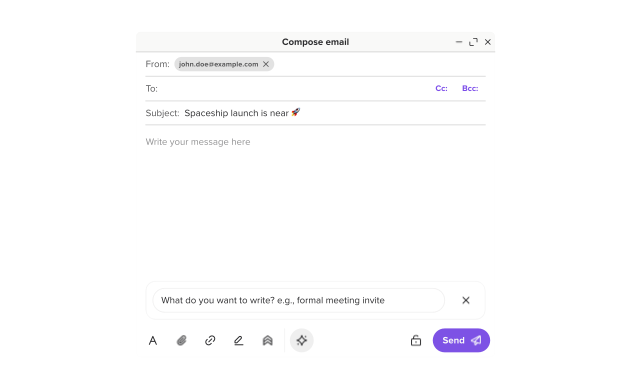
আমাদের email platform, Spacemail-এ একটি নতুন AI assistant রয়েছে, যা আপনাকে কয়েকটি মৌলিক ধারণাকে যত্নসহকারে তৈরি করা পেশাদার email-এ রূপ দিতে দেয়। আপনি business বা informal tone of voice-এর মধ্যে বেছে নিতে পারেন এবং এটি তৈরি হয়ে গেলে, আপনি AI Assistant-কে email-টি পুনরায় লিখতে, ছোট করতে, বা বড় করতে বলতেও পারেন। এটি তাদের জন্য দারুণ, যাদের সময় কম, বা যারা নিজের ভাষা নিয়ে আত্মবিশ্বাসী নন।
ইন্টিগ্রেশনের সুবিধা নিন
এই ক্রমবিবর্তিত ক্ষেত্রটির দিকে নজর রাখলে, এগুলো উপলভ্য হওয়ার সঙ্গে সঙ্গেই আপনার প্রতিষ্ঠানে ব্যবহার করার জন্য আপনি প্রস্তুত থাকবেন।
বাস্তবিকভাবে, এ ধরনের AI assistant-কে আপনার দৈনন্দিন রুটিনে অন্তর্ভুক্ত করা, কথোপকথনমূলক AI-এর পাশাপাশি, সম্ভবত আপনার ব্যবসায় AI অন্তর্ভুক্ত করার সবচেয়ে সহজ উপায়, এবং এর মাধ্যমে কর্মীদের থেকেও আরও বেশি সুবিধা পাওয়া যেতে পারে।
আমার কি একটি .ai domain দরকার?
AI নিয়ে এত কথাবার্তার মধ্যে, আপনি হয়তো ভাবছেন আপনার ব্যবসার নামের (domain-এ) কেন্দ্রে এটিকে রাখার কোনো কৌশলগত সুবিধা আছে কি না। আপনি যদি এ নিয়ে ভাবেন, তাহলে আমাদের নিজস্ব পরিসংখ্যানের একটি অভ্যন্তরীণ দৃষ্টিপাত উপকারী অন্তর্দৃষ্টি দিতে পারে।
Spaceship-এ, ২০২৩ থেকে ২০২৫ সালের মধ্যে বিশ্বজুড়ে AI ব্যবহারের বিশাল উত্থানের কারণে .ai domain মালিকানা বছরওয়ারি দ্বিগুণ হয়েছে।
Spaceship-এ নিবন্ধিত মোট domain-এর শতাংশ হিসেবে, .ai এখন প্রায় ০.৩৫%-এ রয়েছে, যা চিত্তাকর্ষক, কারণ প্রযুক্তিগতভাবে এটি Anguilla-এর country TLD। আশ্চর্যের কিছু নয়, কার্যকলাপের ব্যাপক বৃদ্ধির কারণে Google .ai-কে একটি general TLD হিসেবে বিবেচনা করে — যার অর্থ, অন্যান্য ccTLD-এর মতো এটি ব্যবহারের জন্য কোনো ‘penalty’ নেই (search result-এ সেগুলো প্রায়ই তাদের নিবন্ধনের দেশের দিকে বেশি লক্ষ্য করা হয়)।
.ai-এর ক্ষেত্রে US অনেক এগিয়ে, যেখানে নতুন TLD নিবন্ধনের বিস্ময়কর ১৮% এর দখলে।
এই ডেটার ব্যাখ্যা
শুধু ডেটার ভিত্তিতে দেখলে, একটি .ai domain কেনা মানে একটি স্পষ্ট প্রবণতাকে অনুসরণ করা। তবে কৌশলগত সুবিধার দিক থেকে, এটি মূলত তখনই সাহায্য করবে যদি আপনি AI খাতে কাজ করেন। Google এবং অন্যান্য search engine এটিকে শিল্পক্ষেত্রে প্রাসঙ্গিকতার একটি সংকেত হিসেবে ব্যবহার করে।
এখানে মানবিক সংযোগের বিষয়টিও আছে। অনেক মানুষ .ai-কে উত্তেজনাপূর্ণ startup এবং AI tech company-এর সঙ্গে যুক্ত করবে। যা সুন্দরভাবে আমাদের পরের ধাঁধায় নিয়ে যায়:
আমার কি আমার ব্যবসায় গ্রাহকমুখী AI অন্তর্ভুক্ত করা উচিত?
আমরা যেমন আলোচনা করেছি, AI customer service বা এমনকি tools-ও আপনার সংগ্রহে যোগ করা উপকারী হতে পারে। আপনি বিদ্যমান কোনো AI service-কে fine-tune করে নিজের bot-এও রূপ দিতে পারেন। এটি customer service ধারণা থেকে সামান্য ভিন্ন (তবে খুব বেশি নয়)।
কিছু company, organization, এমনকি influencer-ও বিদ্যমান AI platform-এর ভিত্তিতে নিজেদের bot প্রশিক্ষণ দিতে শুরু করেছে, যাতে তা তাদের শিল্পক্ষেত্র-নির্দিষ্ট প্রশ্নে উৎকৃষ্ট হয়। UK-এর NHS এর একটি দারুণ উদাহরণ, যারা রোগীসেবায় AI একীভূত করেছে বহু স্তরে। অন্যদিকে, social media জগতে জনপ্রিয় YouTuber Mentour Pilot-এর তৈরি একটি AI Travel Assistant Bot উদ্বিগ্ন বিমানযাত্রীদের আশ্বস্ত করার জন্য তৈরি করা হয়েছে।
তাই, হ্যাঁ, আপনার ব্যবসায় AI একীভূত করার কথা ভাবা মূল্যবান, তবে AI-কে মিথ্যা নবী বানাবেন না। আপনার মূল কার্যক্রমকে অগ্রাধিকার দিতে থাকুন এবং এটিকে একটি সহায়ক হিসেবে ভাবুন, একই সঙ্গে পর্দার আড়ালে এটি ব্যবহার করে নিজেকে সাহায্য করুন। অবশ্য, যদি আপনার কাছে এ কাজে উৎসর্গ করার মতো উল্লেখযোগ্য সময়, দক্ষতা এবং সম্পদ থাকে, তাহলে অবশ্যই এগিয়ে যান!
তাহলে, ২০২৫ সালে AI কি আপনার ব্যবসায়িক কৌশলকে শক্তি জোগাতে পারে?
হ্যাঁ এবং না।
কারণ AI নিয়ে এত কথাবার্তার মধ্যে আমরা সম্ভবত সবচেয়ে গুরুত্বপূর্ণ বিষয়টি উপেক্ষা করেছি: চালকের আসনে এর আপনাকে দরকার। এমনকি সবচেয়ে উন্নত AI-ও মূলত প্রতিক্রিয়াশীল — এর সক্রিয় পরামর্শগুলোও আসে কেবল সক্রিয় ইনপুট ও অনুরোধের ফল হিসেবে।
কিন্তু এটি কি সাহায্য করতে পারে? অবশ্যই। আমরা যেসব উপায় নিয়ে আলোচনা করেছি, সেসব সবকটিতেই এবং আরও অনেকভাবে। ‘সম্ভাবনার শেষ নেই’ — এই কথাটি অনেক বেশি ব্যবহৃত হয়। কিন্তু AI-এর প্রয়োগের ক্ষেত্রে এটি আগের যেকোনো সময়ের চেয়ে বেশি উপযুক্ত মনে হয়। কারণ ব্যবসায়িক পরিকল্পনায় এর সম্ভাব্য ব্যবহারগুলোর আমরা এখনও কেবল উপরিভাগই ছুঁয়েছি।
প্রায়শই জিজ্ঞাসিত প্রশ্নাবলী
হ্যাঁ। তবে সেরা ফলাফলের জন্য, স্প্রেডশিটে বুদ্ধিমত্তার সঙ্গে উপস্থাপন করে নিজেকেই সাহায্য করুন। এছাড়াও, সবচেয়ে নির্ভরযোগ্য ফলাফলের জন্য তাদের নতুন AI ইন্টিগ্রেশনসহ বিদ্যমান টুলগুলো (যেমন Office) ব্যবহার করার কথা বিবেচনা করুন।
এটি আপনার ব্যবহারের জন্য উপলব্ধ বিপুল কম্পিউটেশনাল শক্তি (এবং বুদ্ধিমত্তা) এবং এটি যে বিশাল ডেটাসেট ব্যবহার করে তার একটি মিশ্রণ। এর ফলে এটি গুণগত ও পরিমাণগত বিশ্লেষণের উপাদানগুলোকে একসঙ্গে এক জায়গায় একত্রিত করার সুবিধা পায়।
হ্যাঁ। চ্যাটবট/AI concierge-এর জন্য এমন প্লাগইন রয়েছে, যেগুলো আপনি তুলনামূলক কম খরচে ডাউনলোড করতে পারেন। অনেকগুলোতেই ফ্রি ট্রায়াল থাকে, তাই আর্থিক বিনিয়োগ ছাড়াই আপনি সেগুলো পরীক্ষা করে দেখতে পারেন।
হ্যাঁ। আমাদের আরও বেশি সংখ্যক পণ্যে AI ইন্টিগ্রেশন রয়েছে। বর্তমানে, এগুলো shared hosting এবং EasyWP-এর বিভিন্ন টুলের মাধ্যমে কনটেন্ট তৈরিতে সাহায্য করতে পারে। আমাদের একটি নিবেদিত AI Website Builder-ও রয়েছে, যা একটি সাধারণ বর্ণনা থেকে একটি ওয়েবসাইট তৈরি করতে পারে। Spacemail-এও একটি স্বজ্ঞাত AI রয়েছে, যা একটি সহজ সারাংশ থেকে একটি পেশাদার ইমেইল রচনা করতে পারে।
Alf হলো Spaceship-এর অন-প্ল্যাটফর্ম AI সহায়ক, যা আপনাকে সেরা ডোমেইন খুঁজে পেতে, সমস্যার সমাধান করতে, অথবা ডোমেইন ও ওয়েবসাইট ব্যবস্থাপনার যেসব বিষয় আগে তুলনামূলক বেশি প্রযুক্তিগত বলে মনে করা হতো, সেগুলোতে ধাপে ধাপে সহায়তা করতে পারে।
হ্যাঁ! Spaceship আমাদের প্ল্যাটফর্ম ও পণ্যগুলোর মধ্যে AI টুল ইন্টিগ্রেট করতে প্রতিশ্রুতিবদ্ধ। এটি একটি রোমাঞ্চকর ক্ষেত্র, যা ক্রমাগত বিকশিত হচ্ছে, এবং প্রযুক্তি যত এগোচ্ছে, ততই নতুন ও আকর্ষণীয় উপায়ে AI অন্তর্ভুক্ত করে অগ্রভাগে থাকার লক্ষ্যই আমাদের।

প্রস্তাবিত নিবন্ধ




আপনার চিন্তাভাবনা শেয়ার করুন