
Prawdopodobnie przewinęło się przez twoje życie w Internecie z tuzin adresów e-mail. Odkłada się je na bok, gdy wydają się już zużyte albo gdy zaczynasz od nowa. Ale jak często zmieniasz adres e-mail świadomie, wiedząc, że nada on twojemu cyfrowemu wizerunkowi nowy, lśniący wygląd?
Jeśli masz dość zmieniania adresów e-mail bez żadnego pojęcia, co działa, czas dowiedzieć się, co naprawdę działa.
Elementy profesjonalnego adresu e-mail
Skonfigurowanie adresu e-mail wydaje się proste. Wybierasz część przednią, dodajesz po niej symbol @, potem część środkową i na końcu doklejasz .com. I technicznie rzecz biorąc, to działa. Ale jeśli chcesz mieć e-maile, które są otwierane, czytane i na które się odpowiada, warto wiedzieć o kilku rzeczach.
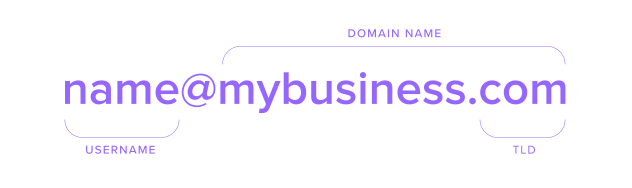
1. Nazwa domeny
Nazwa domeny to to, co pojawia się po symbolu @, na przykład @mybusiness.com, i wskazuje serwer, na który zostanie dostarczony twój e-mail. Dobra nazwa domeny może zrobić ogromną różnicę, gdy twoja wiadomość trafia do skrzynki odbiorczej klienta. Jeśli wybierzesz właściwie, za każdym razem zrobisz dobre wrażenie.
2. Nazwa użytkownika
Po przeciwnej stronie znajduje się nazwa użytkownika. Występuje przed symbolem @ i identyfikuje osobę lub rolę. Na przykład:
brian@mybusiness.com
Support@mybusiness.com
Nazwy adresów e-mail są zwykle pierwszą rzeczą, jaką widzą ludzie, więc powinny być łatwe do odczytania i logiczne. Dobry przykład adresu e-mail powinien w miarę możliwości unikać cyfr, przypadkowych słów, które nic nie wnoszą, i zdecydowanie wszelkich pseudonimów. Nazwa użytkownika taka jak Sparklysunshine12345@ nie mówi przecież: „Hej, jestem firmą, której możesz zaufać”.
3. Domena najwyższego poziomu (TLD)
Domena najwyższego poziomu (TLD) to końcówka twojej nazwy domeny, czyli część występująca po kropce. Przez lata prawdopodobnie widziałeś już wystarczająco dużo TLD, takich jak .biz i .info, by wiedzieć, że wiele mówią o twojej firmie.
Dzieje się tak, ponieważ TLD przywołują wspomnienia znajomości i oswojenia. To, jak odbierasz końcówkę strony internetowej, jest powiązane z całym twoim wieloletnim doświadczeniem korzystania z Internetu. Jest w tym nostalgia, jest nieufność i jest też mnóstwo brandingu.
Duża część tego wynika z faktu, że spamerzy zrujnowali reputację niektórych tańszych TLD. A niektóre są po prostu dziwaczne. Jedno jest jednak pewne: .com ma niemal niezrównany poziom zaufania i wiarygodności dzięki dekadom popularności. .com zrobi dla twojej firmy o wiele więcej niż .wtf.
Wskazówka: Wypróbuj nowoczesne TLD, takie jak .ai, .tech lub .io. Dodaje to dodatkową warstwę brandingu i ułatwia zdobycie czystej domeny bez walki o zajęte .com.
Co sprawia, że adres e-mail jest kreatywny, a jednocześnie profesjonalny?
Adresy e-mail często są kwestią nastawienia. Gdy dorastasz, wybierasz e-mail na podstawie tego, co rozśmieszy twoich znajomych. Na studiach stawiasz na własne imię i nazwisko albo coś do nich zbliżonego. Dopiero gdy stawką jest twój biznes, dobry adres e-mail staje się kluczowy. Oto jak zachować profesjonalizm, a jednocześnie zadbać o to, by było w nim wciąż wystarczająco dużo „ciebie”.
Klucze do wyróżniającego się adresu e-mail:
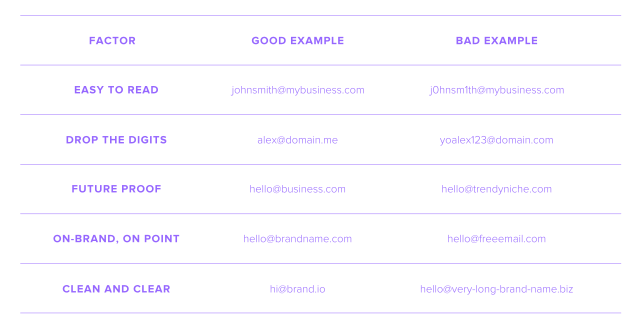
20 kreatywnych i unikalnych pomysłów na adres e-mail na 2026 rok
Kreatywność to proces dodawania. Weź dwa stare pomysły, połącz je i stwórz coś nowego. Poniższe przykłady biznesowych adresów e-mail powinny pomóc rozbudzić kreatywność.
Pomysły na prywatne adresy e-mail
firstname.lastname@domain.com –Prosty, ponadczasowy, powszechnie akceptowany.
hello.firstname@domain.me– subtelny branding osobisty.
firstname@yourlastname.com –Gotowy pod markę osobistą.
hi@yourfirstname.com –Czysty i nowoczesny.
contact.firstname@domain.com –Subtelny krok wyżej od podstawowej opcji.
Profesjonalne i biznesowe pomysły na adres e-mail
hello@brandname.com –Złoty standard dla firm.
info@brandname.online– sprawdza się dobrze, jeśli .com jest zajęte
info@brandname.com –Dobrze sprawdza się w firmach na wczesnym etapie rozwoju.
team@brandname.com –Skaluje się lepiej niż jedna osoba.
support@brandname.com –Sygnalizuje strukturę i wiarygodność.
Pomysły na adres e-mail dla freelancerów i twórców
hello@yourname.com –Czysty i przyjazny twórcom.
collab@yourname.xyz– nowoczesny, kreatywny, a nadal czytelny
studio@yourname.com –Kreatywny, ale bez zbyt nieformalnego brzmienia.
contact@yourname.com –Neutralny i wszechstronny.
collab@yourname.com –Sygnalizuje otwartość na współpracę.
Nowoczesne i minimalistyczne pomysły na adres e-mail
office@brandname.pro– profesjonalny bez korporacyjnego brzmienia.
hi@brandname.co –Minimalistyczny, ludzki i nowoczesny.
mail@brandname.dev –Ukierunkowany, ale prosty.
inbox@yourname.me –Zabawny, ale nadal profesjonalny.
hello@yourname.io –Elegancki i współczesny
Czy w 2026 roku warto używać własnej domeny do poczty e-mail?

Wyobraź sobie, że dostajesz dwa e-maile o zupełnie nowym produkcie „must-have”. Jeden został wysłany z prywatnego konta Gmail. Drugi z adresu w domenie, takiego jak Jane@mybrand.com. Który wydaje się bardziej godny zaufania? Większość osób wybierze drugi, a to sprowadza się do wiarygodności.
Adres e-mail oparty na domenie pokazuje, że stoisz za swoim biznesem. Wystawiasz swoje imię lub nazwę na widok publiczny, na pierwszym planie. Mówi to ludziom, że jesteś prawdziwy, ugruntowany i dumny z tego, co reprezentuje twoja marka. Dodatkowo daje im łatwy sposób, by cię sprawdzić.
Darmowe adresy e-mail mogą oszczędzić ci pieniądze, ale mogą kosztować cię coś cenniejszego… zaufanie. Jeśli twoje pierwsze wrażenie to darmowy, jednorazowy adres, właśnie tak może to zostać odebrane. A w biznesie pierwsze wrażenie i etykieta e-mailowa zostają na długo.
Dlaczego e-mail we własnej domenie robi większe wrażenie:
Zaufanie do marki – Spójność jest kluczem do budowania silnej tożsamości marki, a twój e-mail to kluczowy element tej układanki. Spójny wizerunek na wszystkich platformach to podstawa zaufania.
Lepsza dostarczalność – Konsumenci toną w wyborze, a marketing szeptany może być kluczowy na nasyconym rynku. Spójność + skuteczność = rekomendacje.
Pełna kontrola – Kontroluj swoją cyfrową tożsamość. Nie oddawaj jej darmowej poczcie, takiej jak Google. Przejmij stery swojej cyfrowej przyszłości.
Profesjonalny wygląd – Twój e-mail powinien być przedłużeniem twojej marki, odzwierciedlając ten sam ton, wartości i obietnicę, które marka komunikuje na wszystkich innych platformach.
Jak wybrać najlepszy adres e-mail do swoich potrzeb
Zanim za bardzo się podekscytujesz i sklecisz w pośpiechu adres e-mail, przejdź przez te dodatkowe kontrole, aby upewnić się, że twój e-mail ciężko pracuje na rzecz marki, a nie przeciwko niej.
Czynniki, które sprawiają, że każdy e-mail się wyróżnia:
Kto będzie otrzymywać e-maile z tego adresu?
Traktuj swoich odbiorców jak Gwiazdę Polarną. Dopracuj kierunek, analizując wiele przykładów służbowych adresów e-mail, aż uzyskasz precyzyjnie dopasowany adres, który trafi do właściwych osób. .tech nic nie znaczy, jeśli twoi klienci kupują zdrową żywność.
Czy to użytek prywatny, zawodowy czy mieszany?
„Nigdy nie mieszaj biznesu z przyjemnością” prawdopodobnie nie dotyczyło adresów e-mail, ale ta logika ma tu zastosowanie. Twój biznes będzie się zmieniał. Będzie rósł, przesuwał się i ewoluował. Powiązanie go teraz z prywatnym adresem e-mail może później cię ograniczać.
Czy to nadal będzie miało sens za 5 lat?
Nie tylko twój biznes będzie się z biegiem lat przeobrażał, ale także rynek i długość skupienia uwagi twoich klientów. E-mail powiązany z chwilowym trendem może działać dziś, ale za pięć lat sprawi, że twoja firma będzie wyglądać na zmęczoną.
Czy pasuje do twojej marki lub nazwy?
Twoja domena powinna wspierać twoją markę. Jeśli jesteś innowacyjny i nowatorski, zmęczona lub generyczna domena wysyła zły sygnał.
Wskazówka: Wymyślenie świetnego adresu e-mail może przypominać uderzanie w butelkę ketchupu. Nic, nic… a potem nagle płynie. Właśnie tutaj pomagają generatory adresów e-mail. Wypróbuj te narzędzia, aby pobudzić pomysły.
Wybierz adres e-mail, który do ciebie pasuje
Powyższe narzędzia i wskazówki mają dać ci wybór. Teraz musisz tylko zrozumieć, czego szukasz. Zrób research, określ swoje cele, zrozum swoje wartości i zrób jeszcze więcej researchu. A kiedy połączysz to wszystko w całość, będziesz mieć adres e-mail, który pasuje do twojej marki i twojego kierunku rozwoju.
Najczęściej zadawane pytania
Najlepszy profesjonalny adres e-mail w 2026 roku jest prosty i oparty na marce, na przykład name@yourdomain.com lub hello@yourdomain.com. Takie formaty są łatwe do rozpoznania i dobrze się skalują. Lista przykładów adresów e-mail może być świetnym punktem wyjścia do znalezienia pomysłów.
Tak, o ile pozostają jasne i trafne. Kreatywne nazwy adresów e-mail, takie jak hello@, team@ lub studio@, są powszechne we współczesnych przykładach służbowych adresów e-mail, ale modne lub zbyt wymyślne opcje często źle się starzeją.
Możesz, ale nie jest to idealne rozwiązanie. Zmiana adresu e-mail oznacza aktualizację kontaktów, narzędzi i danych logowania. Wczesne wybranie elastycznego przykładu adresu e-mail zmniejsza trudności w miarę rozwoju firmy.
Gmail nadaje się do użytku osobistego, ale własna domena wygląda bardziej wiarygodnie w biznesie. Profesjonalny adres e-mail z marką daje większą kontrolę i budzi większe zaufanie niż darmowe konto. Z tego powodu większość nowoczesnych propozycji adresów e-mail i przykładów służbowych adresów e-mail korzysta z własnych domen.

Sugerowane artykuły




Podziel się swoimi przemyśleniami